THE WOOD AND BUILDING
THE WOOD, PULAI
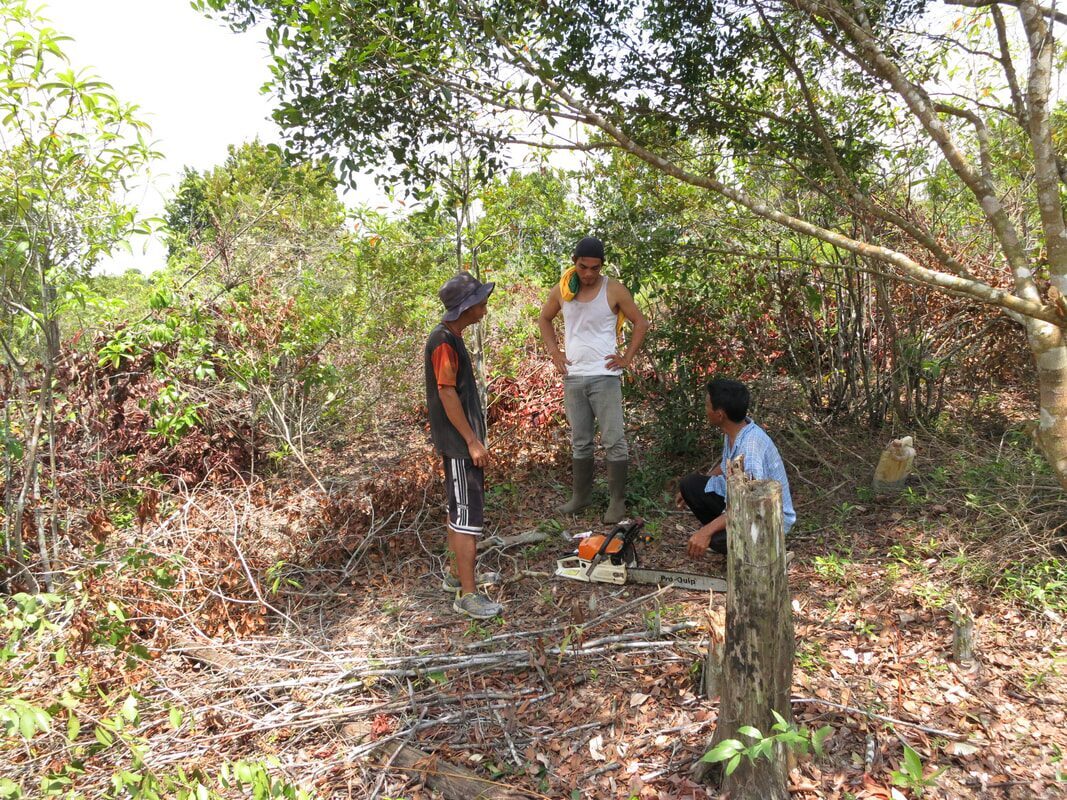
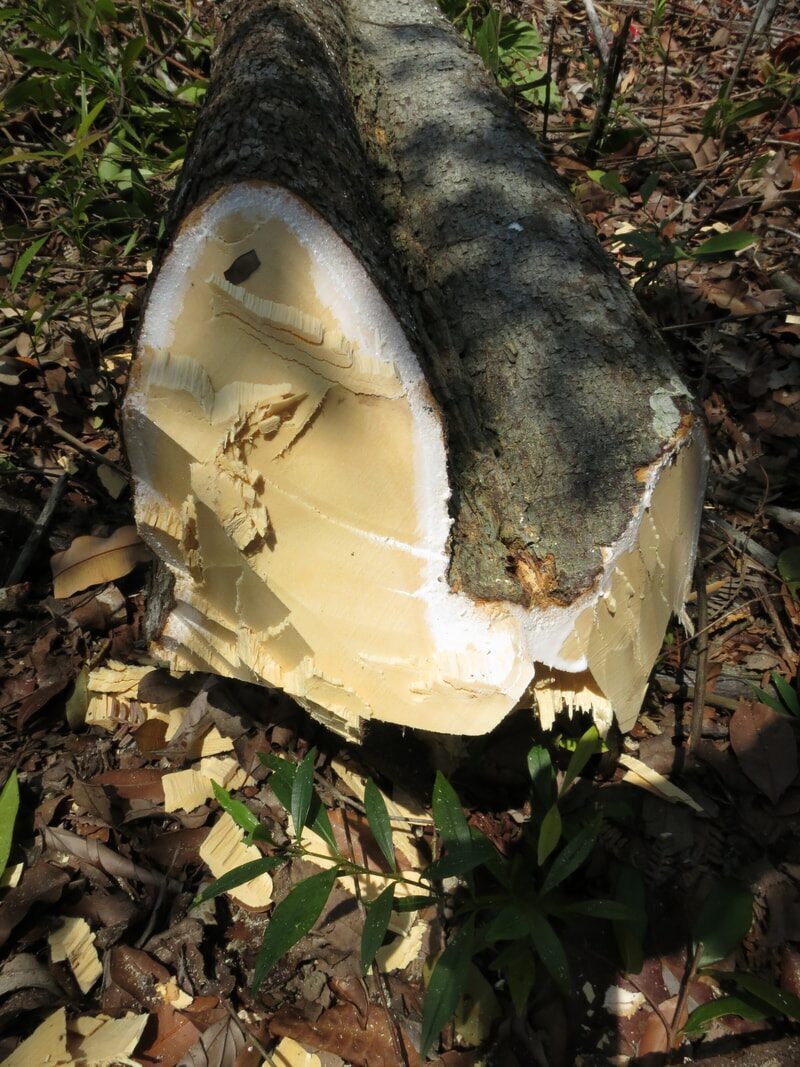
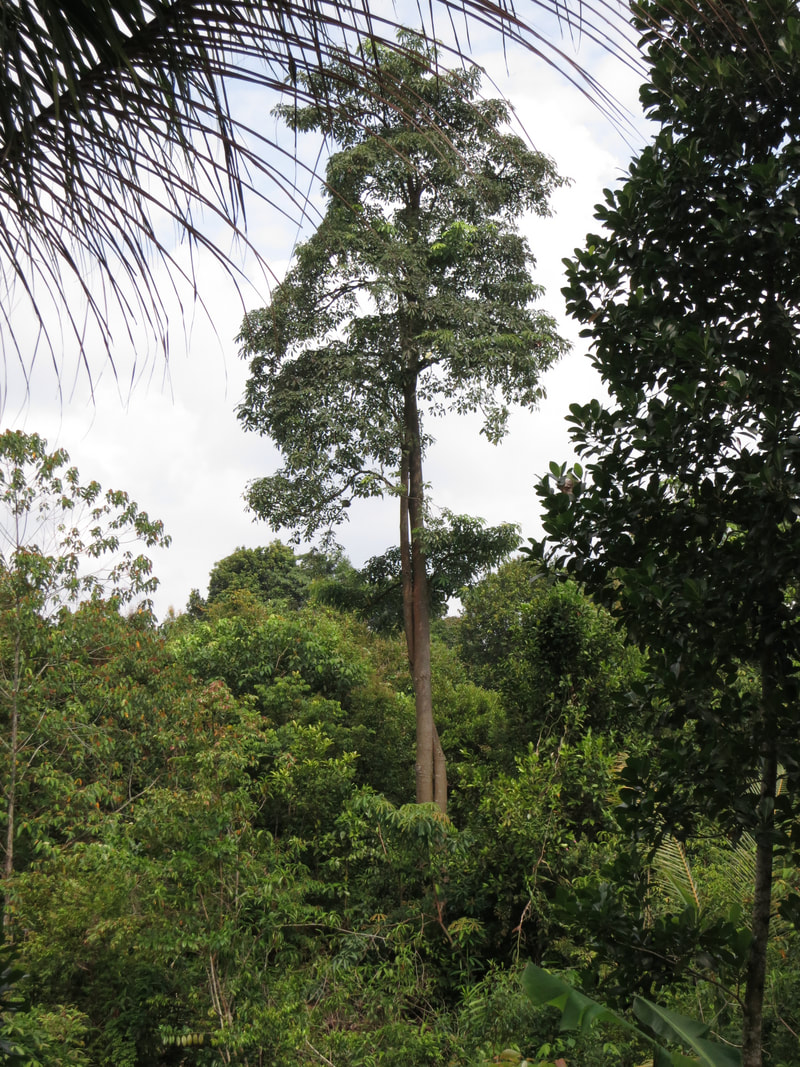
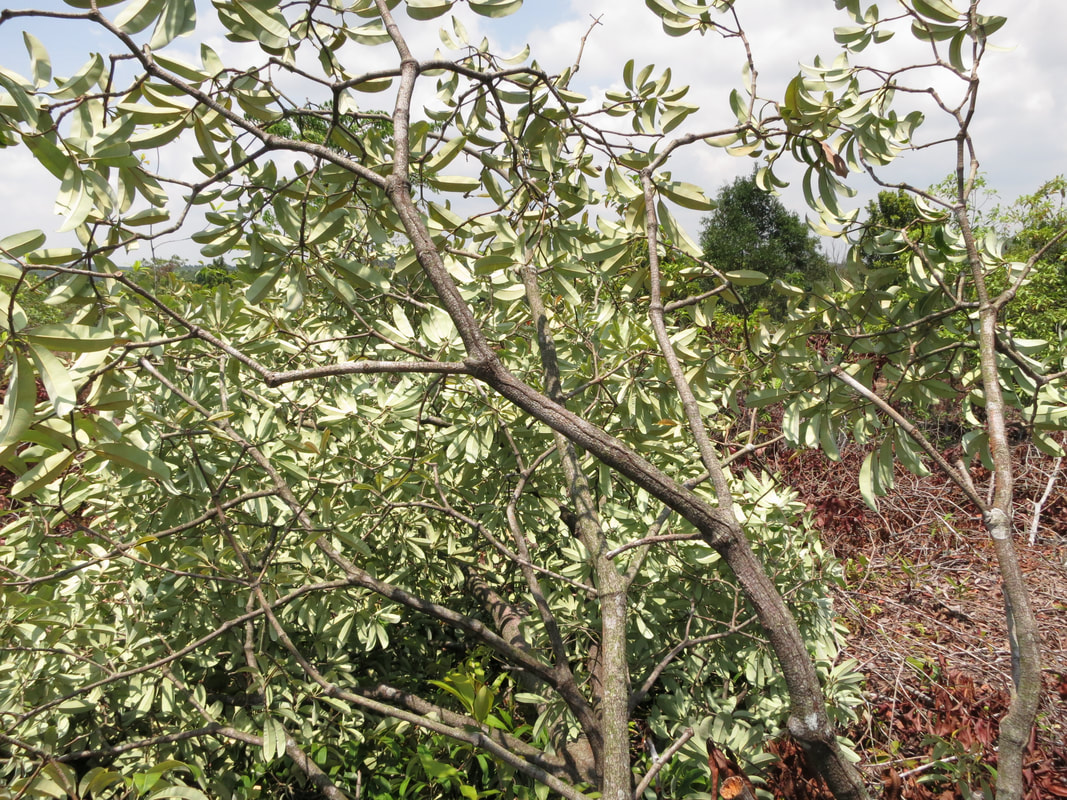
Every jong starts as a piece of pulai wood — kayu pulai, from the tree Alstonia scholaris — the material of choice for jong builders across the Riau Islands, from the communities around Bintan to Batam. It isn't chosen for tradition alone. Dry pulai is remarkably light, which gives a hull speed and buoyancy on the water, while still standing up to seawater over a season of racing. A hull that's slightly wrong in weight or balance won't just sail poorly — it can list, or sink outright. So the wood is chosen carefully, piece by piece, long before a knife ever touches it.
|
|
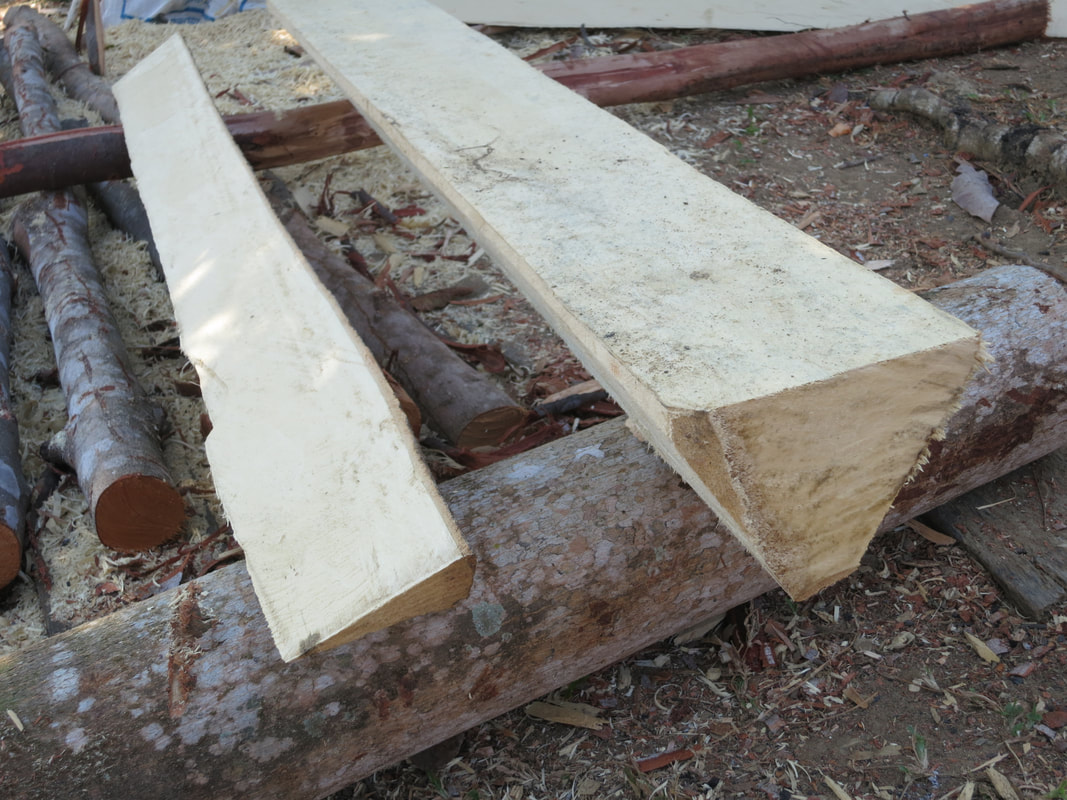
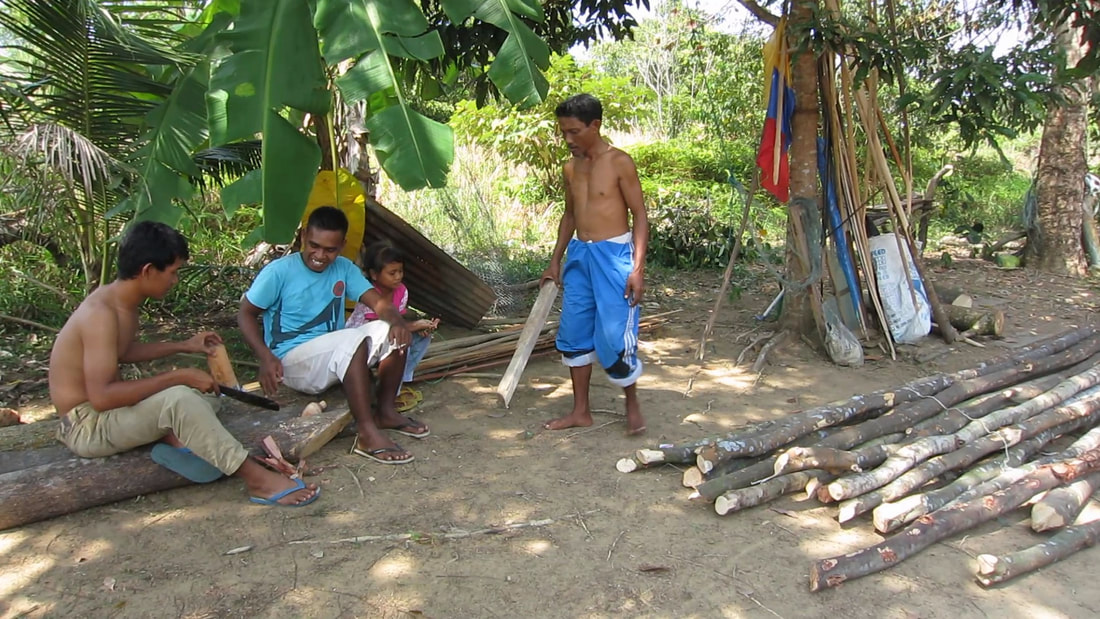
Selecting the wood is only the beginning. Once cut, it needs to dry for a month or two before it's ready to become a hull — rush that process, and you're already building a bad jong. A single misstep at this stage can undo days of careful work later. There's a particular kind of patience this demands, one that doesn't show up in the finished boat but is felt in how it sails.




SHAPING THE HULL
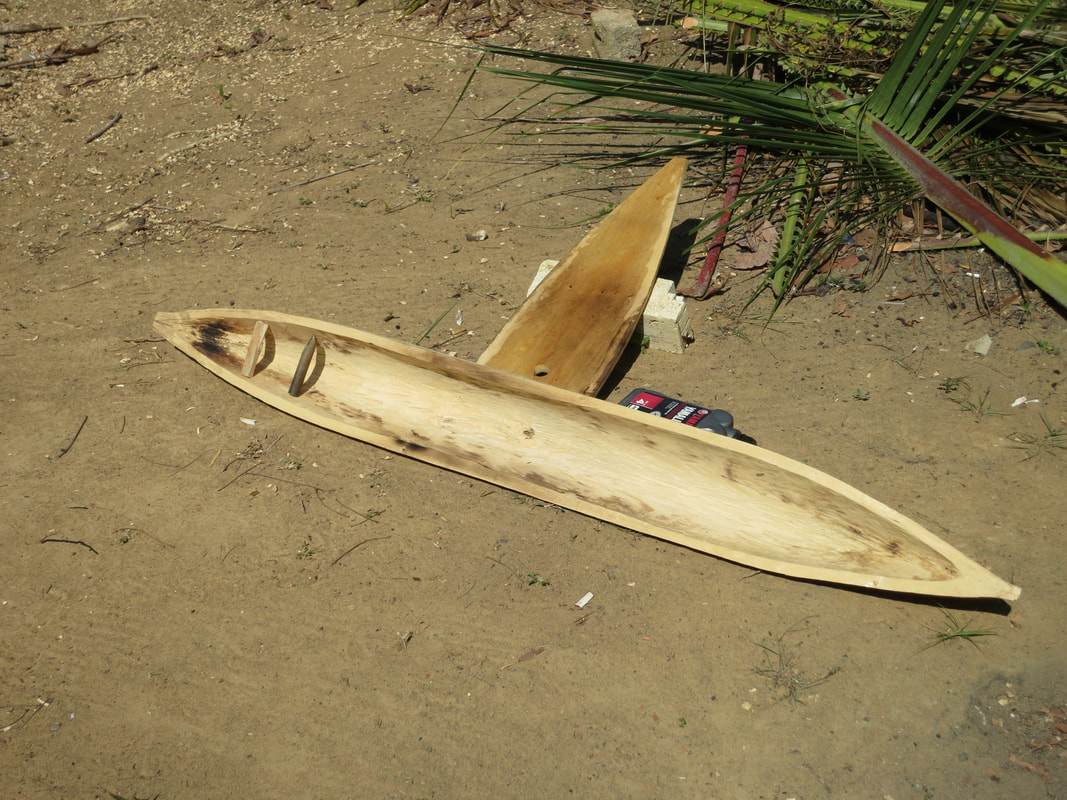
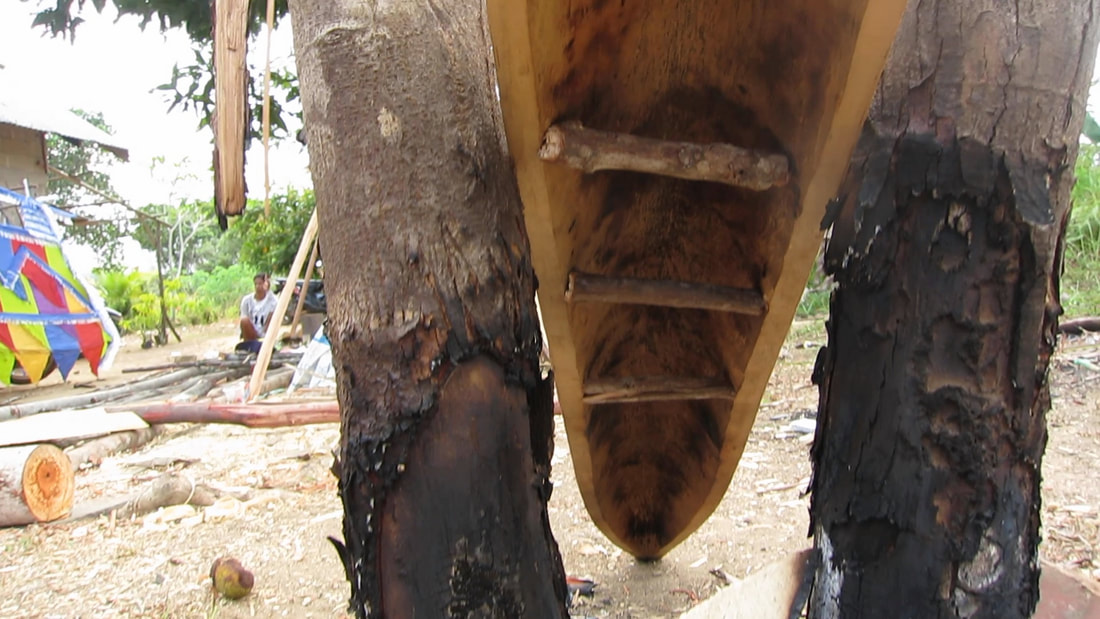
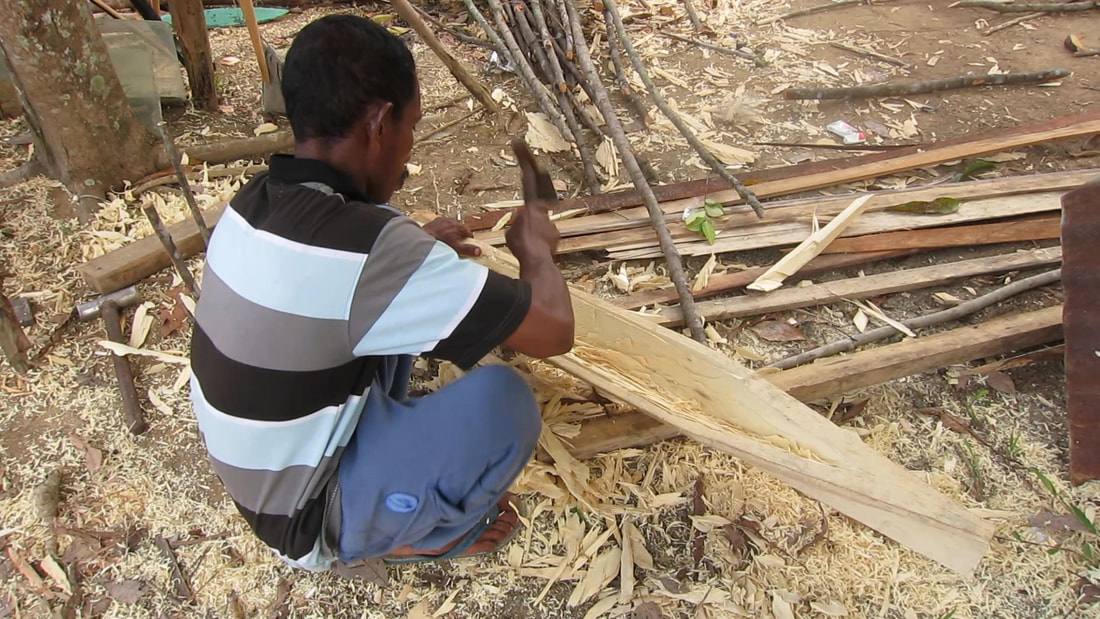
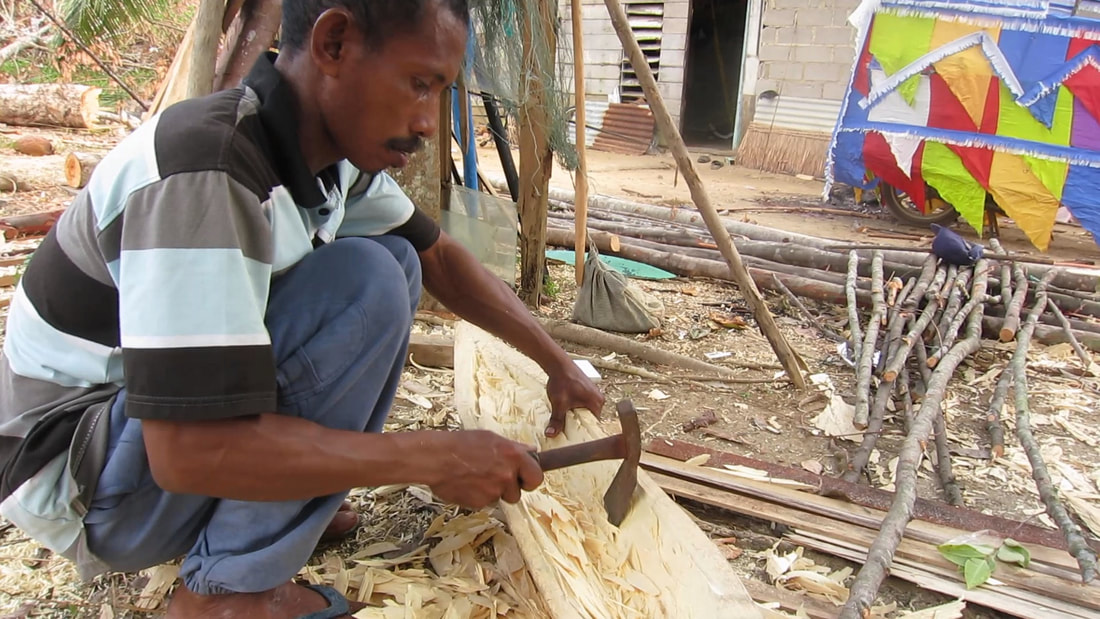
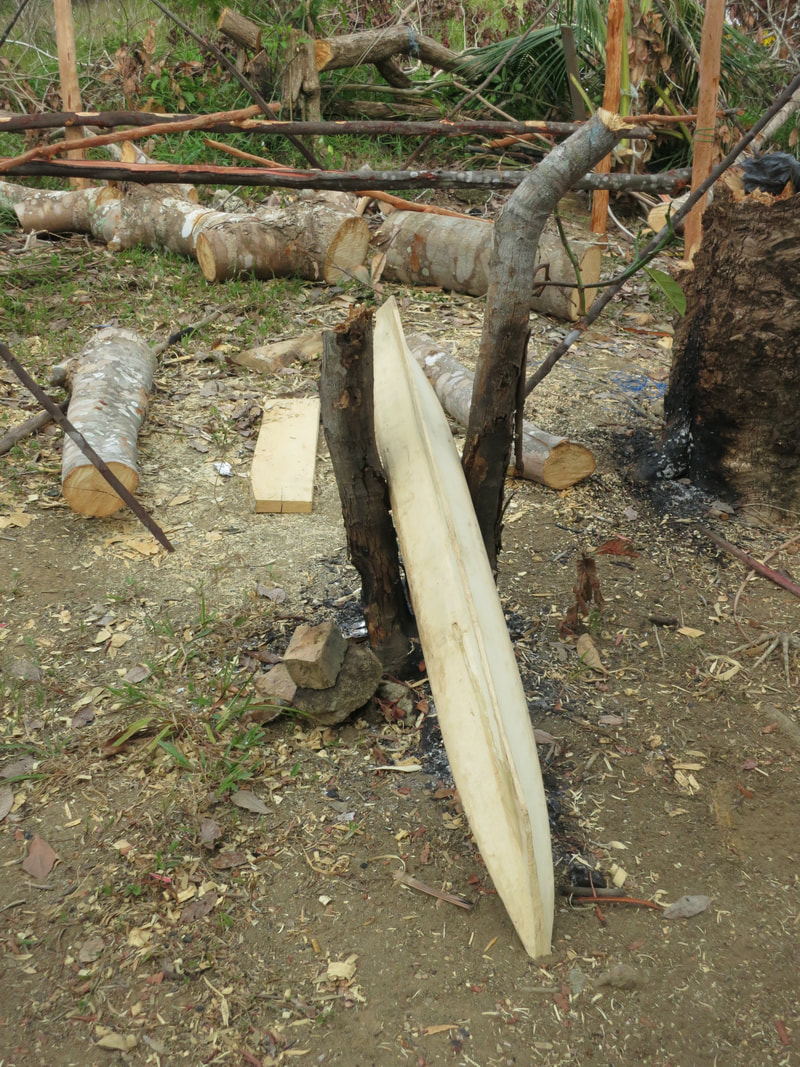
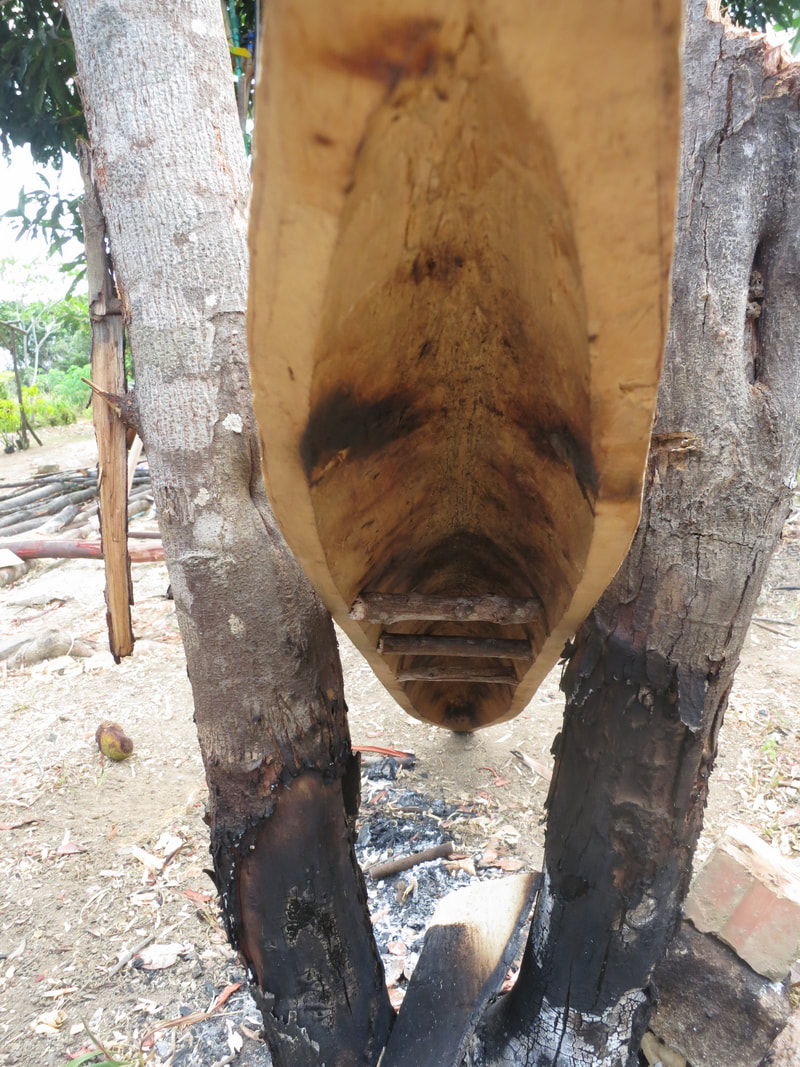
Once the wood has cured, the hull is drawn out by hand, then shaped and hollowed — as thin and light as the wood will allow without giving up its strength. Some builders take the wood through a smoking process to help cure and stabilize it further before the final shaping begins.
Once the wood has cured, the hull is drawn out by hand, then shaped and hollowed — as thin and light as the wood will allow without giving up its strength. Some builders take the wood through a smoking process to help cure and stabilize it further before the final shaping begins.
|
|
|
|
BEYOND THE JONG
Pulai's usefulness doesn't end at the waterline. The same soft, workable wood that makes a fast hull also turns up throughout daily life and craft across Indonesia. Carvers shape it into ukuleles, wayang golek puppets, tifa drums, and masks — anything that benefits from a wood that's light and forgiving under the knife. It's used for pencil cores, and for rustic furniture like benches and shoe cabinets in local workshops.
In construction, pulai is valued for the same reasons: light, strong for its weight, and economical. It shows up in furniture, doors, roofing, plywood, and paneling — and even in industrial form, processed into wood pellets for biomass fuel or densified into lumber to strengthen lower-grade wood.
It has a place in traditional medicine too. In communities as far as Raja Ampat, pulai bark and sap are used in remedies for toothaches, cholesterol, asthma, malaria, skin conditions, and hypertension — practices tied closely to sustainable harvesting that supports the local economy around the tree.
It's worth sitting with that for a moment: the same tree that gives a jong its speed on the water also shapes the sound of a drum, the line of a puppet's face, the frame of someone's front door. Long before it becomes a racing hull, pulai is already woven into how people here build, make music, and heal. The jong just happens to be one of the more beautiful things it becomes.
Pulai's usefulness doesn't end at the waterline. The same soft, workable wood that makes a fast hull also turns up throughout daily life and craft across Indonesia. Carvers shape it into ukuleles, wayang golek puppets, tifa drums, and masks — anything that benefits from a wood that's light and forgiving under the knife. It's used for pencil cores, and for rustic furniture like benches and shoe cabinets in local workshops.
In construction, pulai is valued for the same reasons: light, strong for its weight, and economical. It shows up in furniture, doors, roofing, plywood, and paneling — and even in industrial form, processed into wood pellets for biomass fuel or densified into lumber to strengthen lower-grade wood.
It has a place in traditional medicine too. In communities as far as Raja Ampat, pulai bark and sap are used in remedies for toothaches, cholesterol, asthma, malaria, skin conditions, and hypertension — practices tied closely to sustainable harvesting that supports the local economy around the tree.
It's worth sitting with that for a moment: the same tree that gives a jong its speed on the water also shapes the sound of a drum, the line of a puppet's face, the frame of someone's front door. Long before it becomes a racing hull, pulai is already woven into how people here build, make music, and heal. The jong just happens to be one of the more beautiful things it becomes.