ABOUT
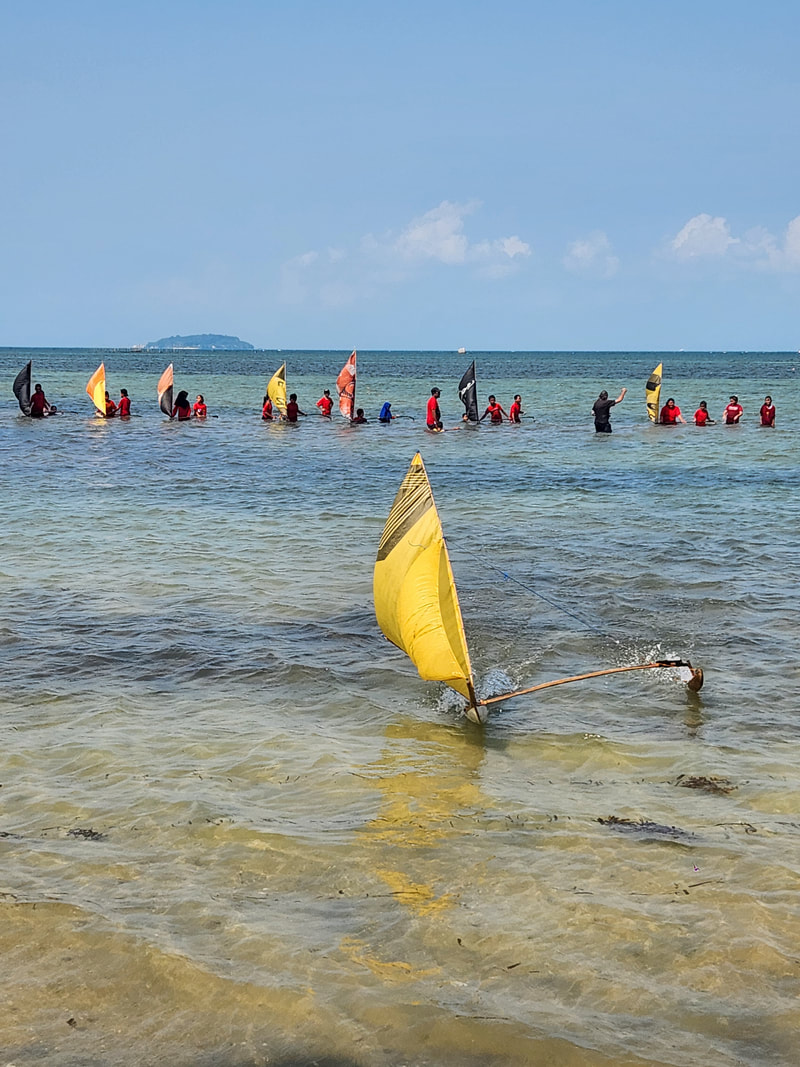
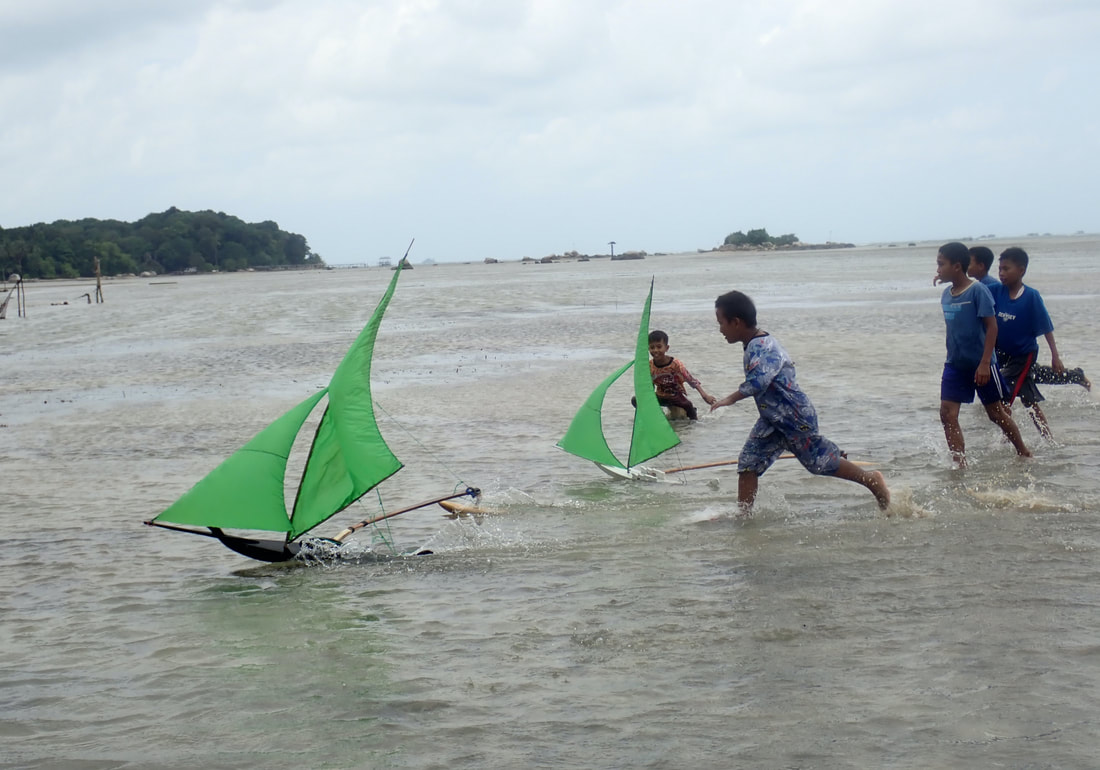
The Jong School operates in Teluk Bakau, Bintan — near Tanjung Pinang and Gunung Kijang — teaching and preserving the traditional art of racing jong: hand-carved, wind-powered miniature sailboats, raced unmanned across the shallow coastal waters of the Riau Islands. Jong racing belongs to a wider Malay maritime world, carried among others by the Orang Suku Laut, the sea nomads of this archipelago — a tradition of skill, patience, and windcraft passed down through generations of island fishing communities.
The Jong School was founded in 2012 by Michel Lippitsch, a French sailor-artist based in Bintan, together with Zakir. What began as a small local race has grown into a yearly gathering that draws groups from across the island and beyond — while staying rooted in the same beach, the same wind, and the same community that started it.
The Jong School operates in Teluk Bakau, Bintan — near Tanjung Pinang and Gunung Kijang — teaching and preserving the traditional art of racing jong: hand-carved, wind-powered miniature sailboats, raced unmanned across the shallow coastal waters of the Riau Islands. Jong racing belongs to a wider Malay maritime world, carried among others by the Orang Suku Laut, the sea nomads of this archipelago — a tradition of skill, patience, and windcraft passed down through generations of island fishing communities.
The Jong School was founded in 2012 by Michel Lippitsch, a French sailor-artist based in Bintan, together with Zakir. What began as a small local race has grown into a yearly gathering that draws groups from across the island and beyond — while staying rooted in the same beach, the same wind, and the same community that started it.
YEARLY RACES SINCE 2012 — THE UTARA AND SELATAN RACES
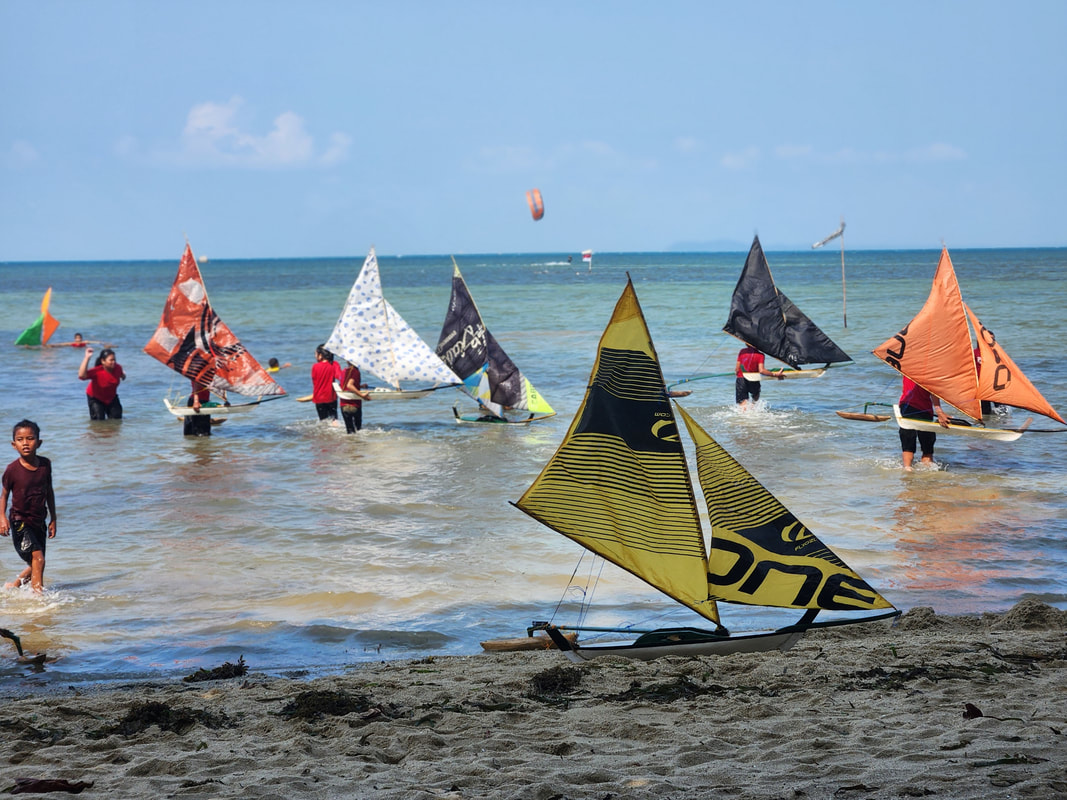
Every year, the wind sets our calendar. The Utara race runs with the northwest monsoon; the Selatan race, with the southeast wind that follows. Each draws groups — kelompok — from across Bintan and neighboring islands, including Batam and Pulau Penyengat, racing jongs they've built, tuned, and sailed themselves. What started as a handful of villages in 2012 has grown into a real seasonal tradition, with dozens of groups now competing each year.
TEACHING WORKSHOPS AND PROGRAMS
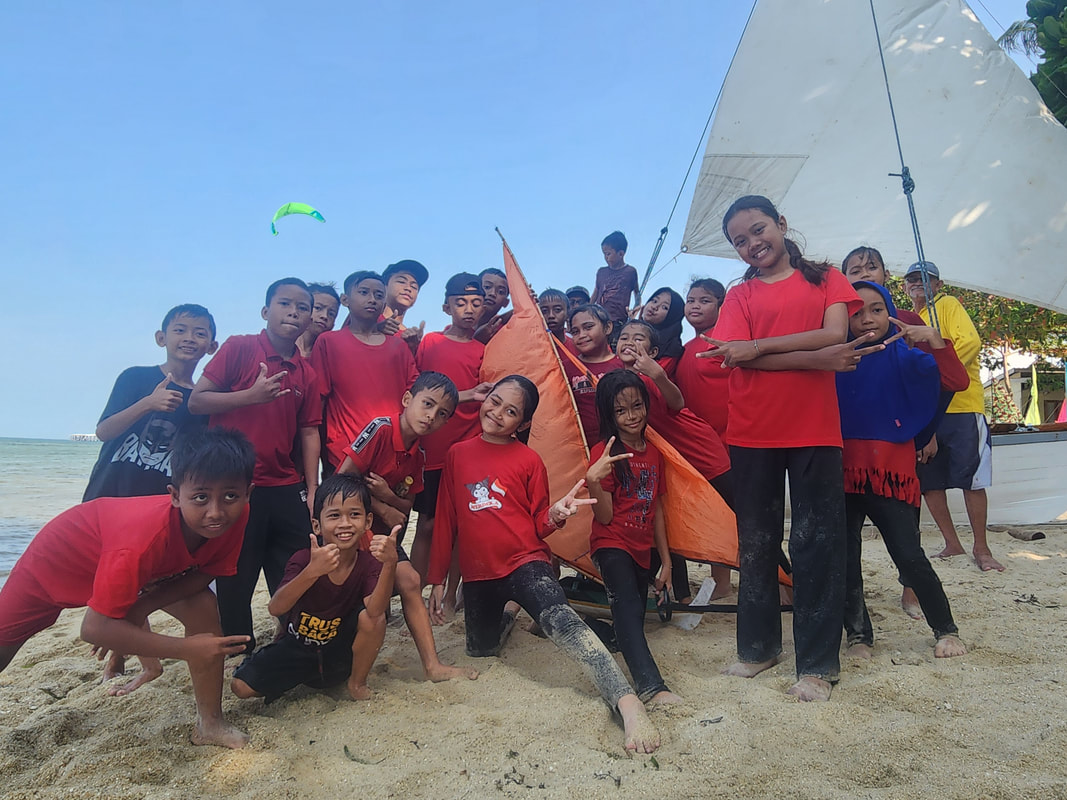
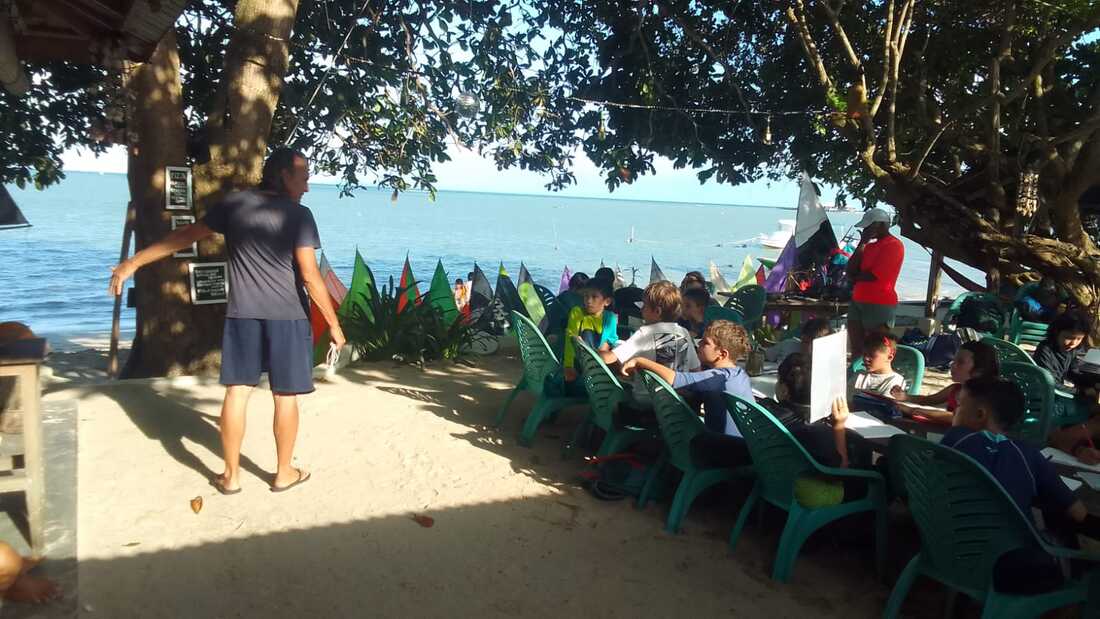
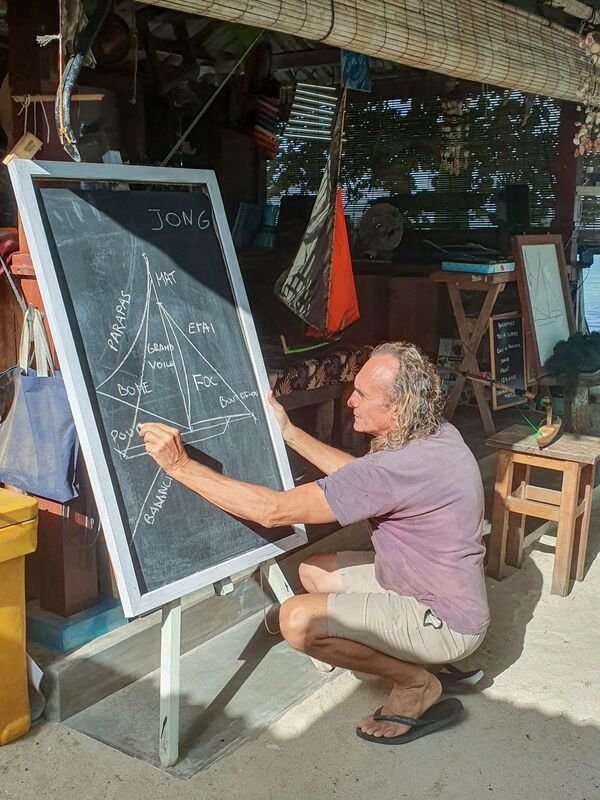
We run hands-on sessions for local kids — half-day workshops covering the history of the jong, practical sailing and rigging skills, and direct time with experienced racers. These sessions happen whenever a sponsor makes one possible, and we're working toward making that support steadier.
We also host tailored workshops for international schools, which have grown to bring in students from as far as Brunei, Singapore, France, China, Bangladesh, and Australia. Alongside that, we run adult workshops, and welcome partnerships with other institutions and organizations who want to get involved in keeping this tradition alive.
EXPERIMENT AND CREATIVE THINKING
Race day has become something more than a race. Alongside the sailing, we've brought in local artists, musicians, and dancers — from traditional dangkung to avant-garde performance by the Taktido collective, to Malay music and dance choreographed around the jong itself. Food, craft, and community are part of the same afternoon. The goal is to keep growing this into a kind of laboratory of experiences — something that pulls in a wider public while keeping the tradition itself front and center.
DOCUMENTATION AND RESEARCH
Anthropologists, researchers, and visiting clubs come to Teluk Bakau to see and record this tradition firsthand, and we work to document it ourselves — the history, the techniques, the people who carry it. It's a living record of a maritime culture that's still being sailed, not just studied.
Every year, the wind sets our calendar. The Utara race runs with the northwest monsoon; the Selatan race, with the southeast wind that follows. Each draws groups — kelompok — from across Bintan and neighboring islands, including Batam and Pulau Penyengat, racing jongs they've built, tuned, and sailed themselves. What started as a handful of villages in 2012 has grown into a real seasonal tradition, with dozens of groups now competing each year.
TEACHING WORKSHOPS AND PROGRAMS
We run hands-on sessions for local kids — half-day workshops covering the history of the jong, practical sailing and rigging skills, and direct time with experienced racers. These sessions happen whenever a sponsor makes one possible, and we're working toward making that support steadier.
We also host tailored workshops for international schools, which have grown to bring in students from as far as Brunei, Singapore, France, China, Bangladesh, and Australia. Alongside that, we run adult workshops, and welcome partnerships with other institutions and organizations who want to get involved in keeping this tradition alive.
EXPERIMENT AND CREATIVE THINKING
Race day has become something more than a race. Alongside the sailing, we've brought in local artists, musicians, and dancers — from traditional dangkung to avant-garde performance by the Taktido collective, to Malay music and dance choreographed around the jong itself. Food, craft, and community are part of the same afternoon. The goal is to keep growing this into a kind of laboratory of experiences — something that pulls in a wider public while keeping the tradition itself front and center.
DOCUMENTATION AND RESEARCH
Anthropologists, researchers, and visiting clubs come to Teluk Bakau to see and record this tradition firsthand, and we work to document it ourselves — the history, the techniques, the people who carry it. It's a living record of a maritime culture that's still being sailed, not just studied.
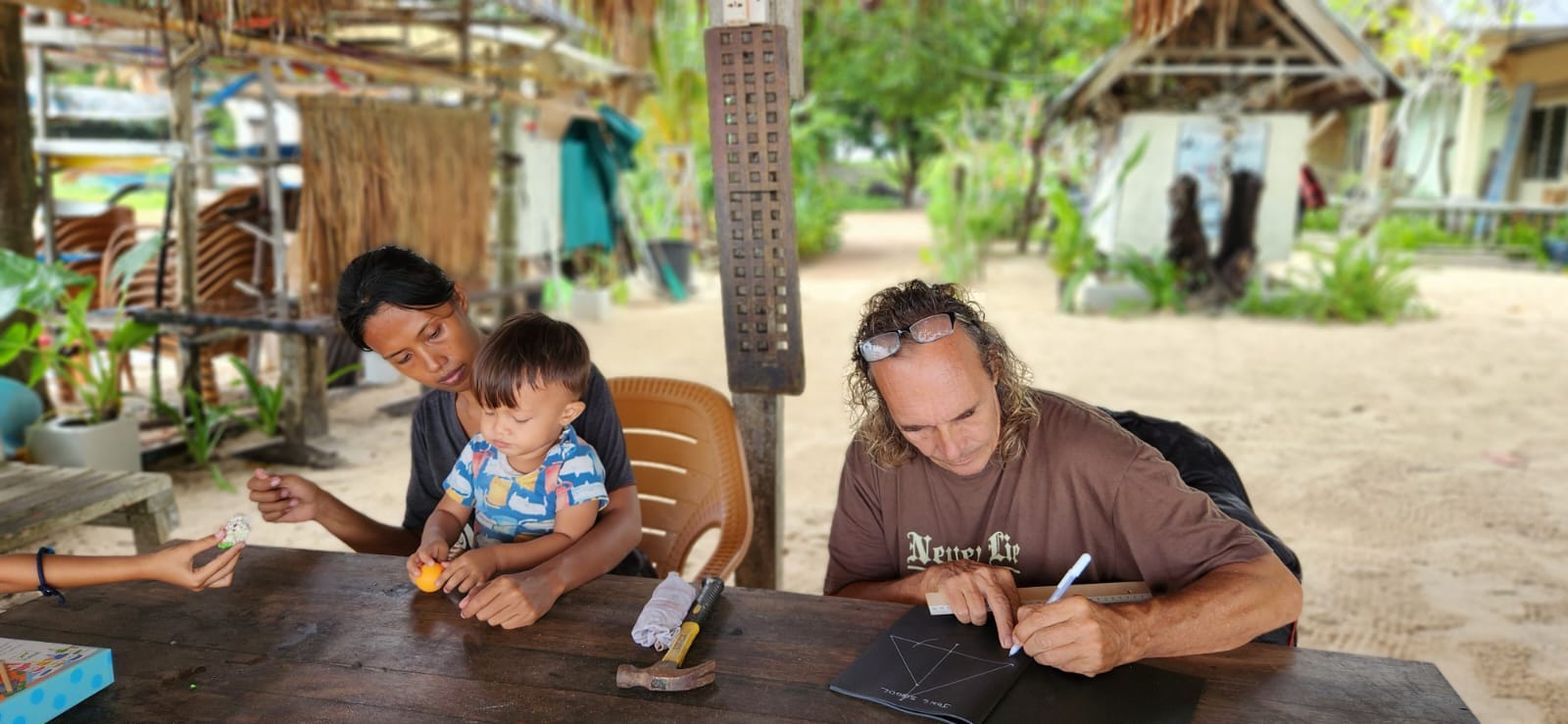

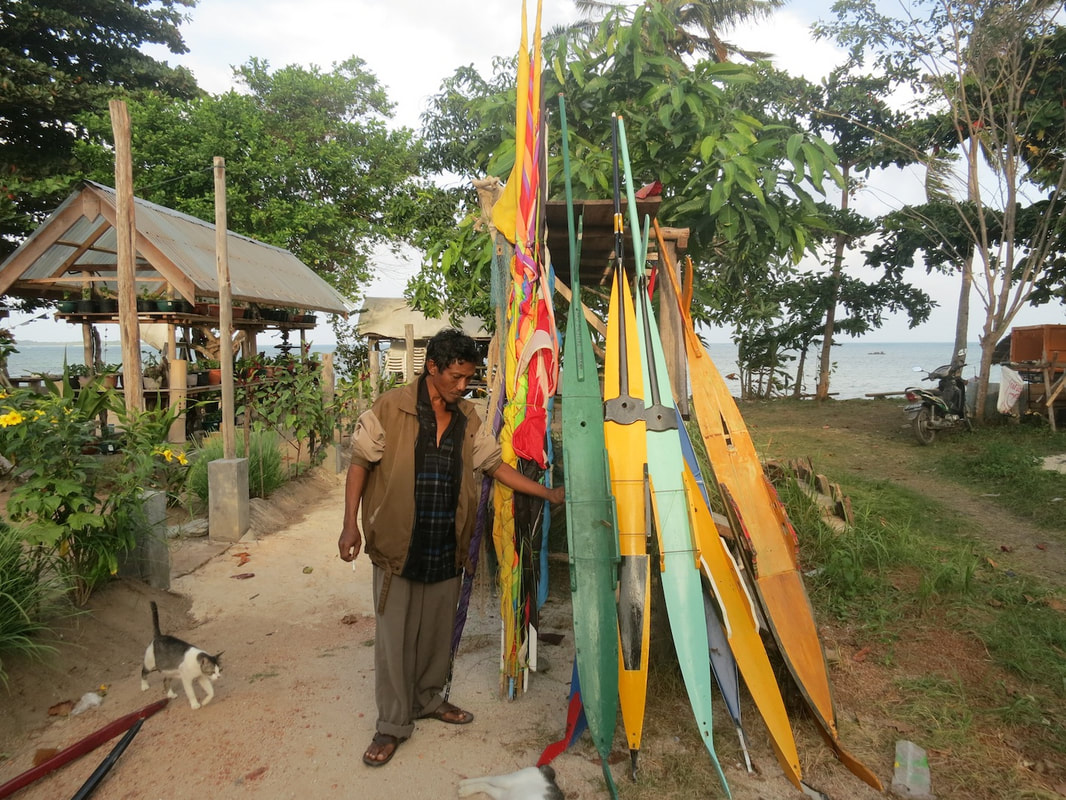
And a photo of Zakir — without him, none of this would have happened.** Zakir co-founded the Jong School with Michel in 2012. He's no longer with us, but his hand is still in every jong built here, in every kid who learns to carve a hull the way he once taught. The school he helped start continues to grow in the direction he set it on.