SELATAN RACE 2026
Teluk Bakau, Bintan Island — 15 August 2026
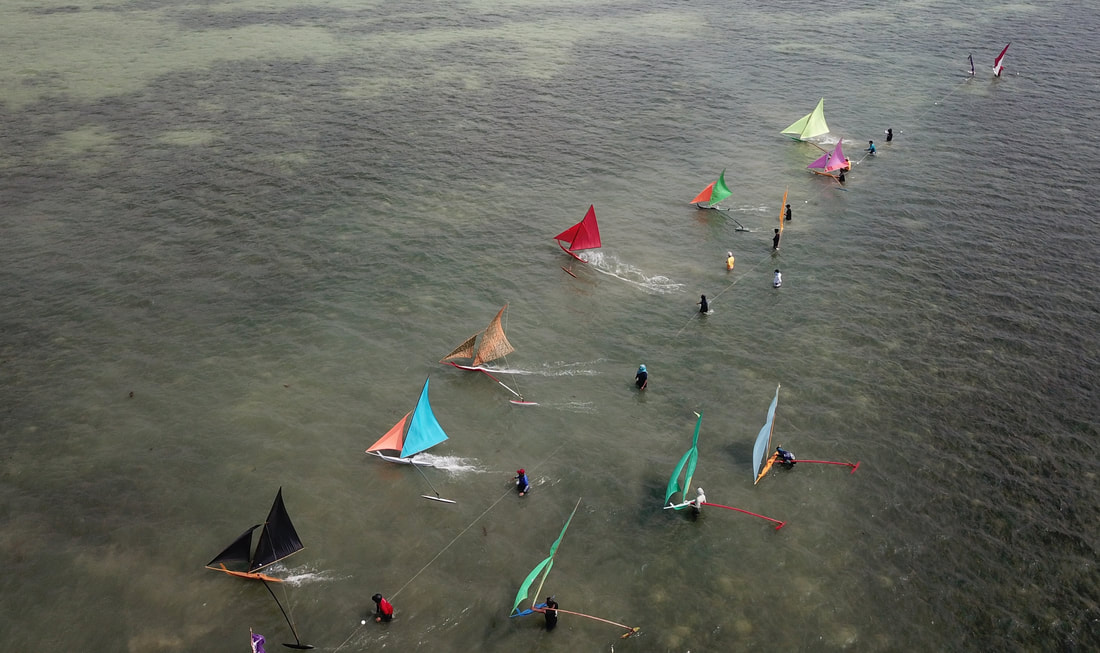
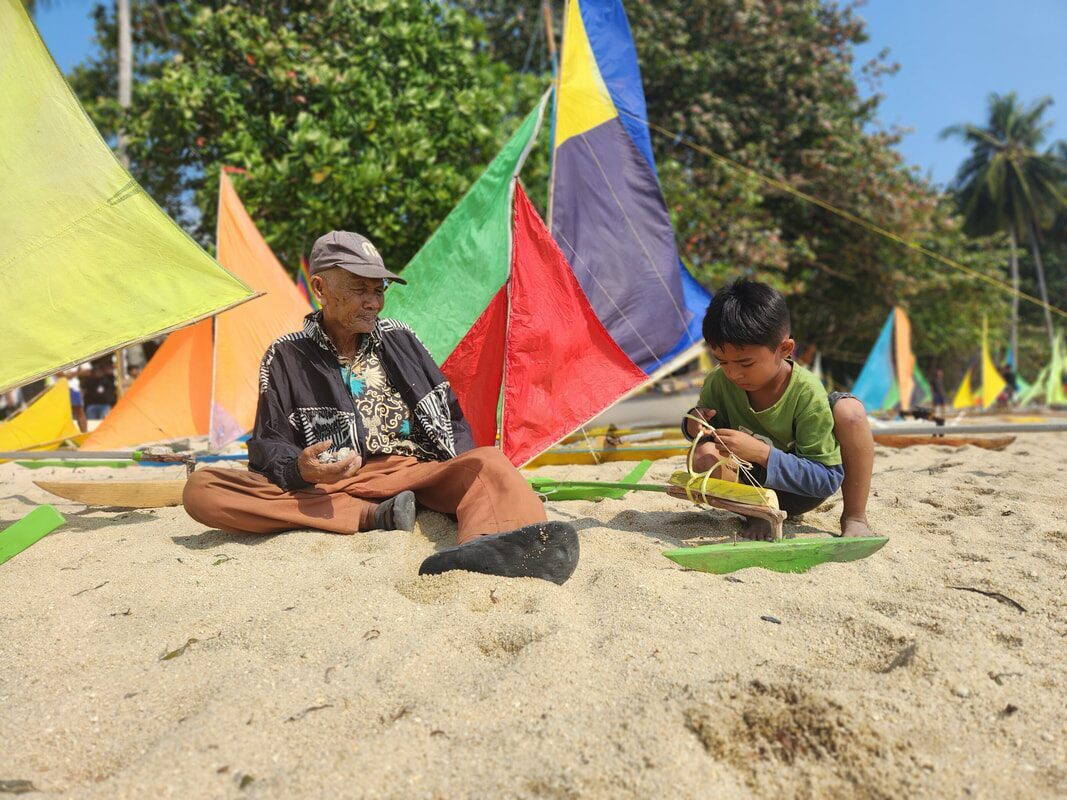
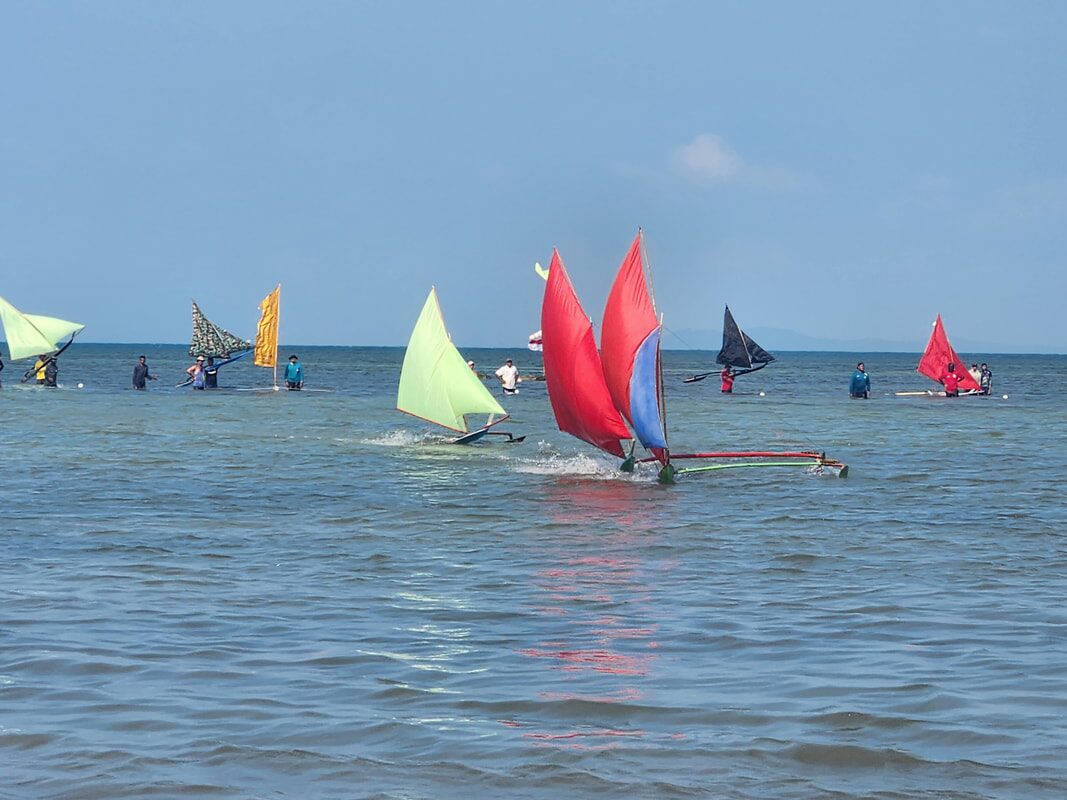
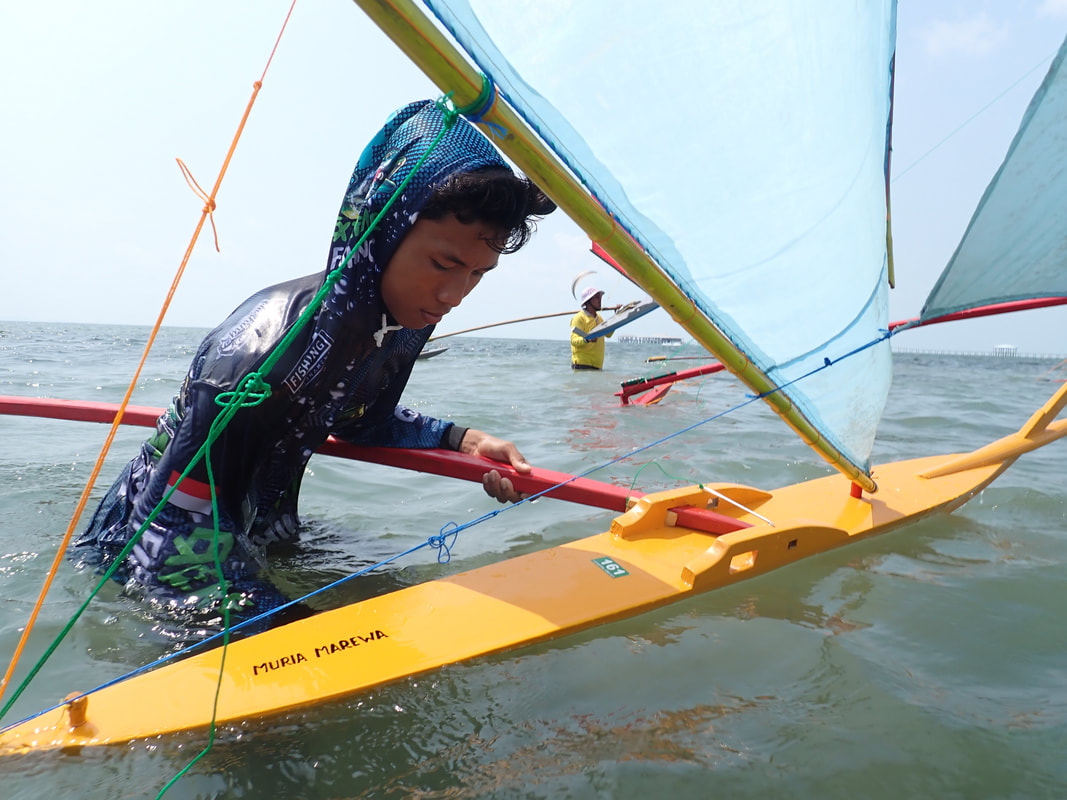
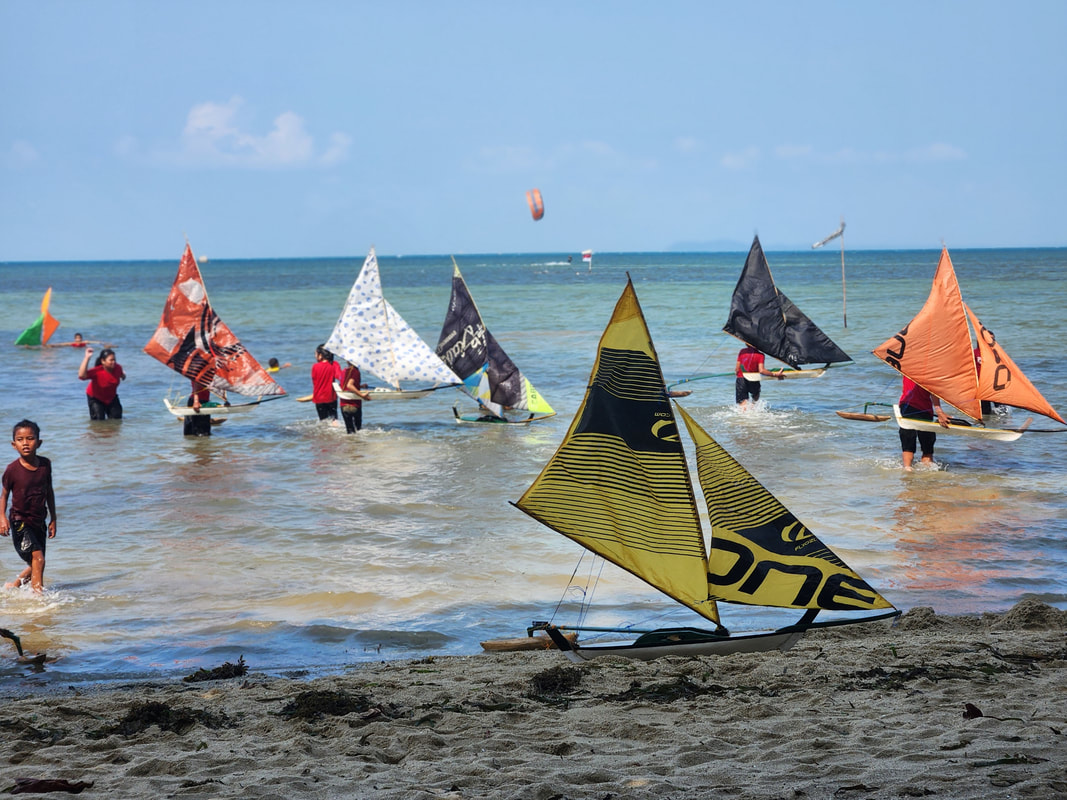
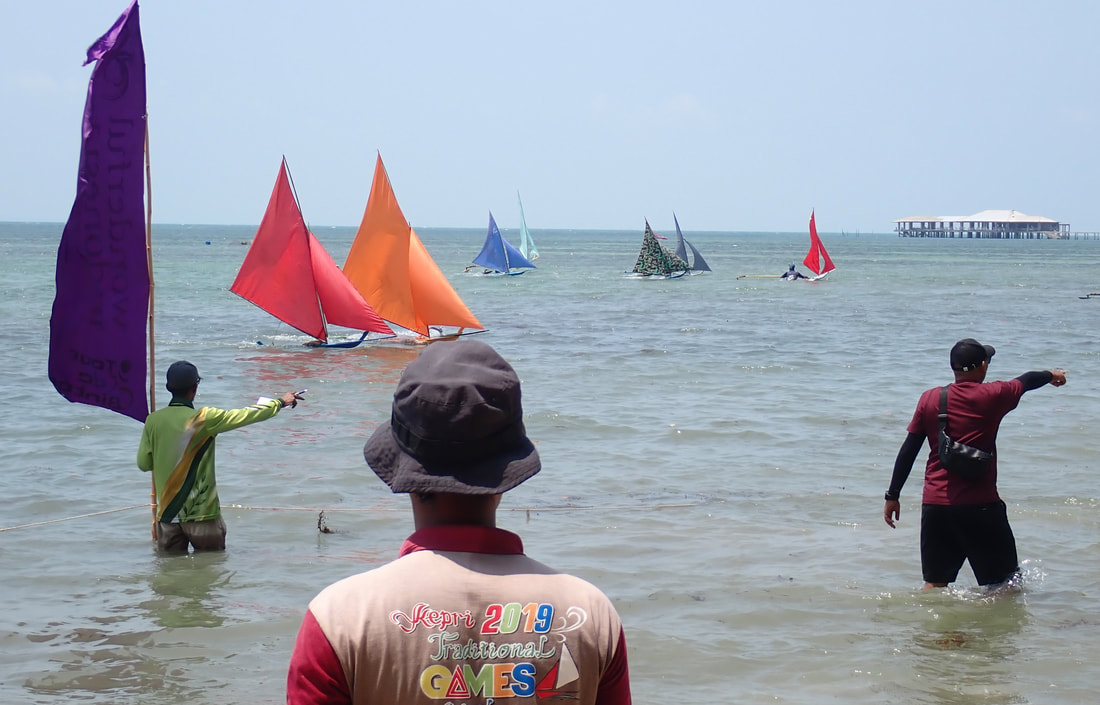
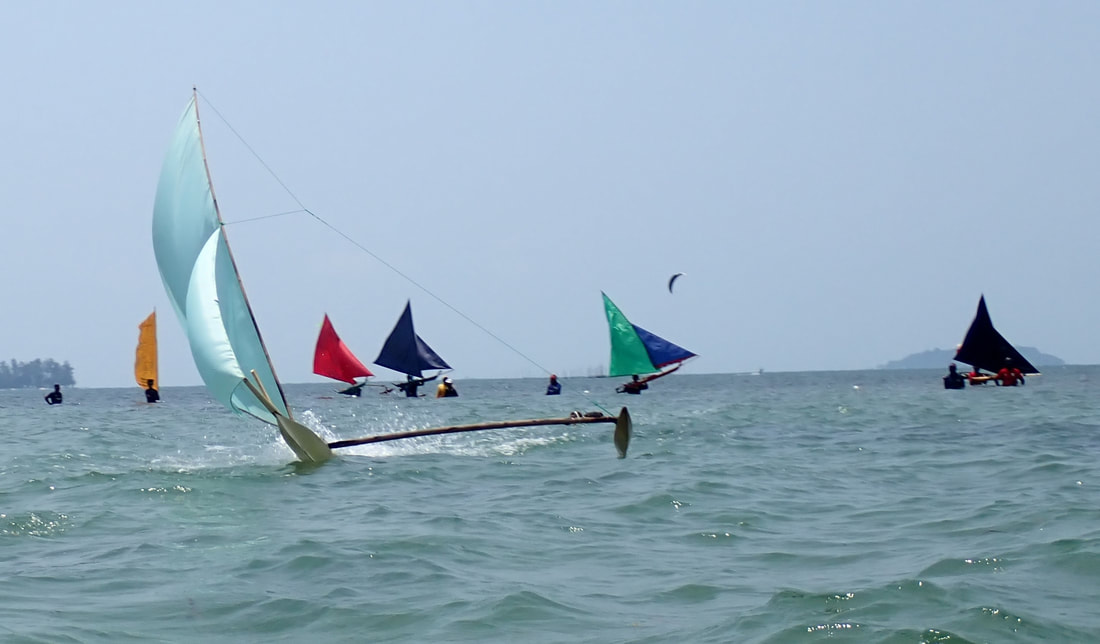
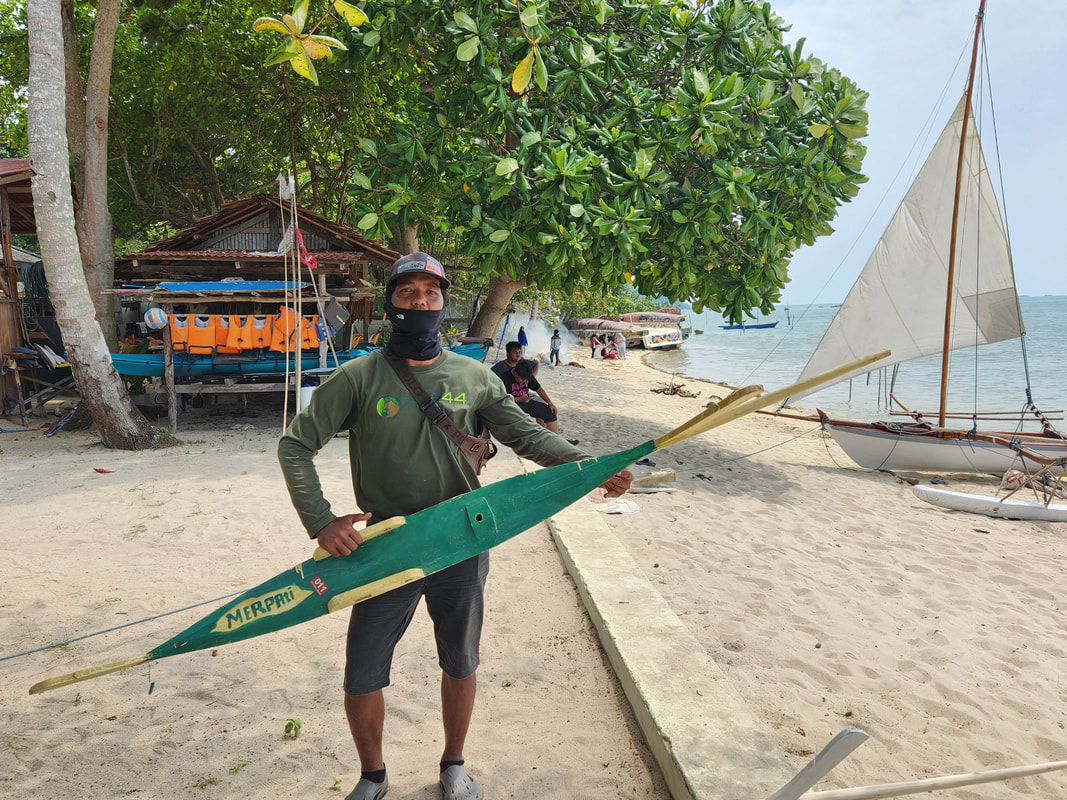
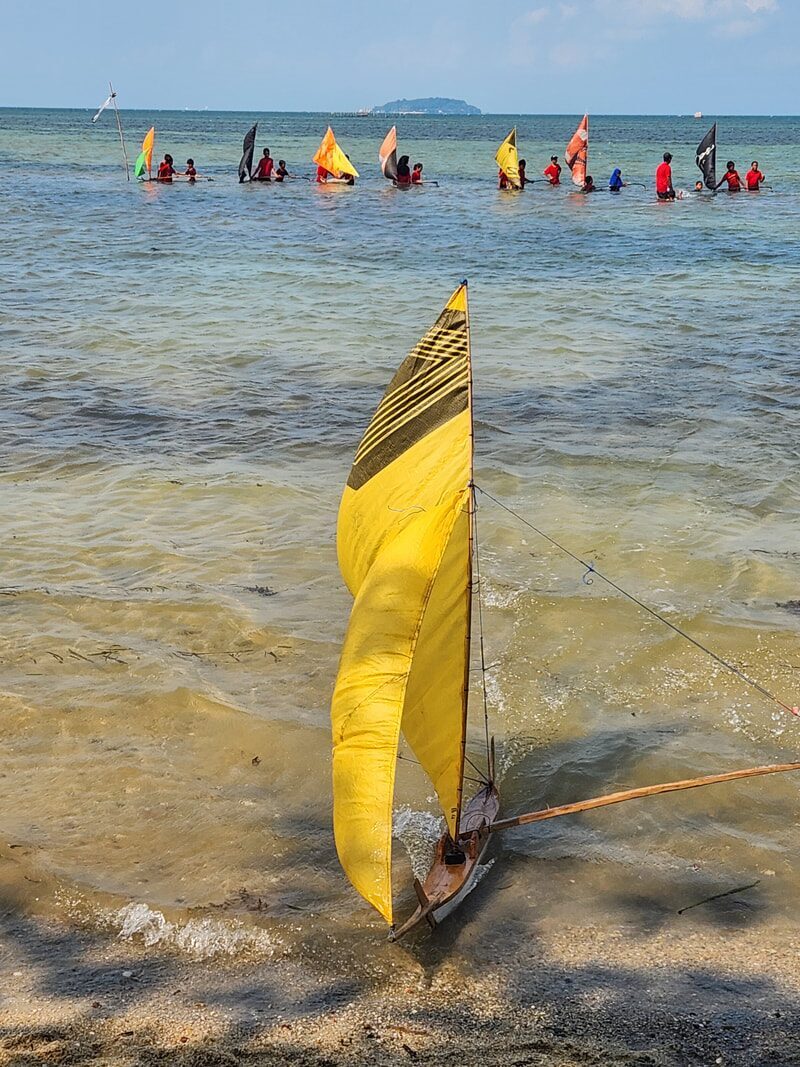
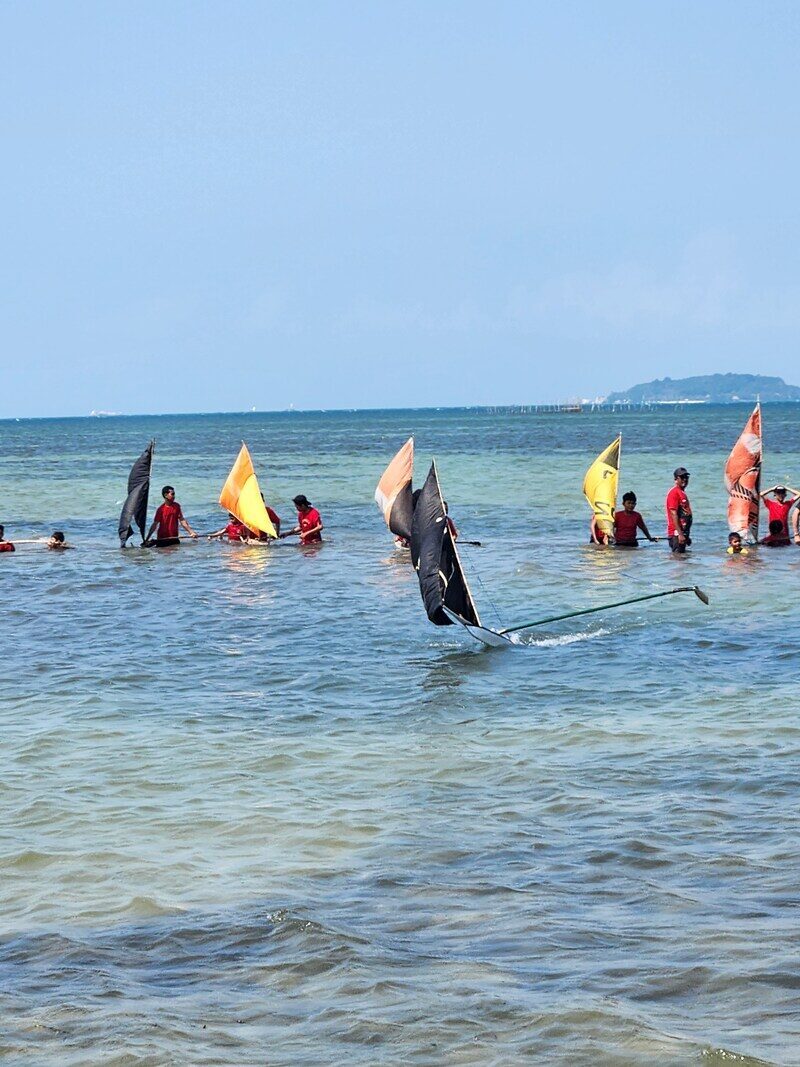
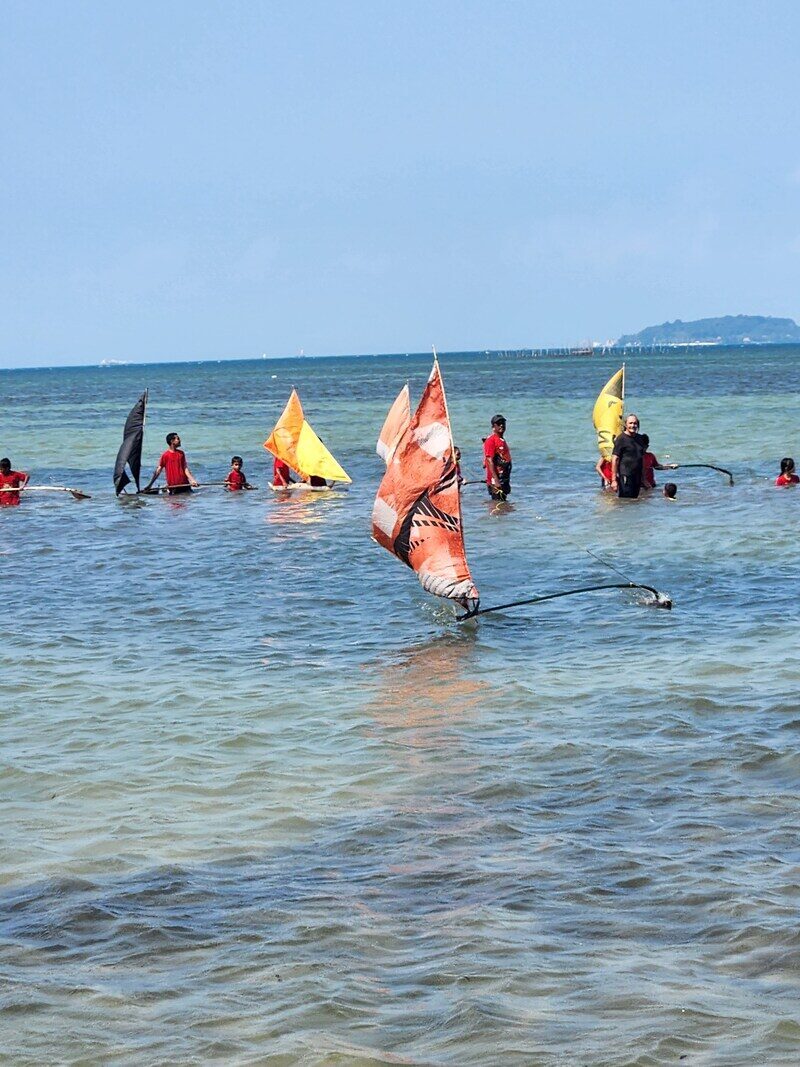
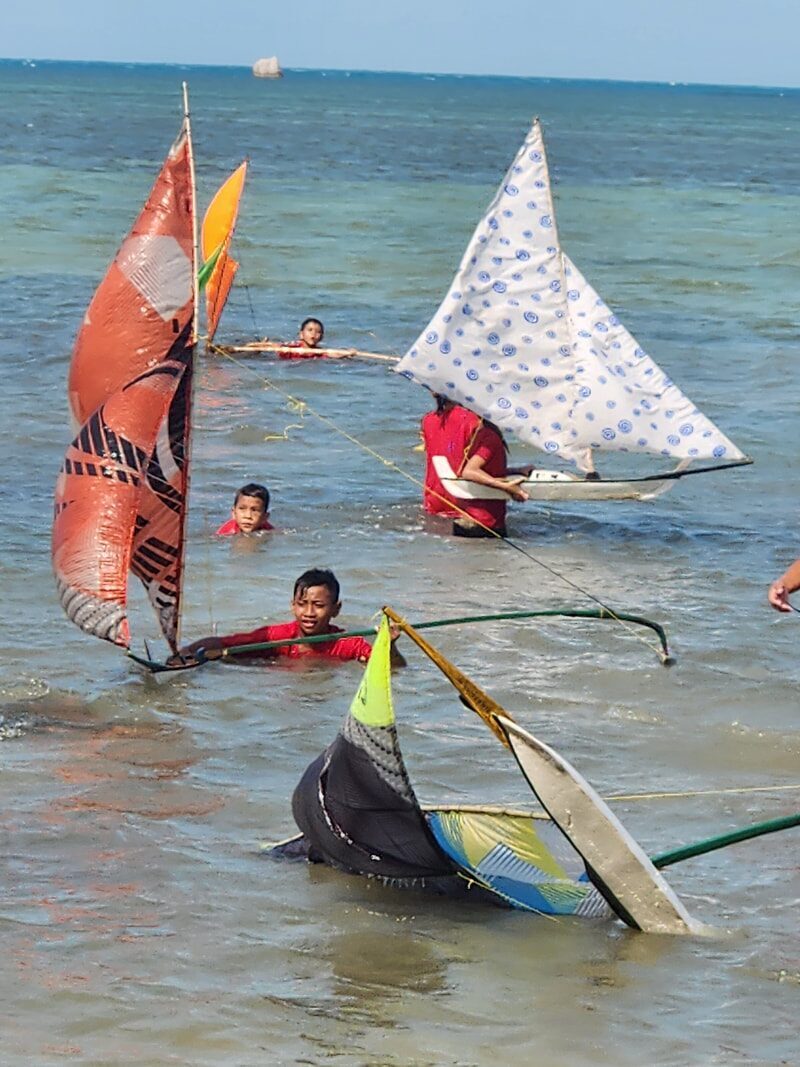
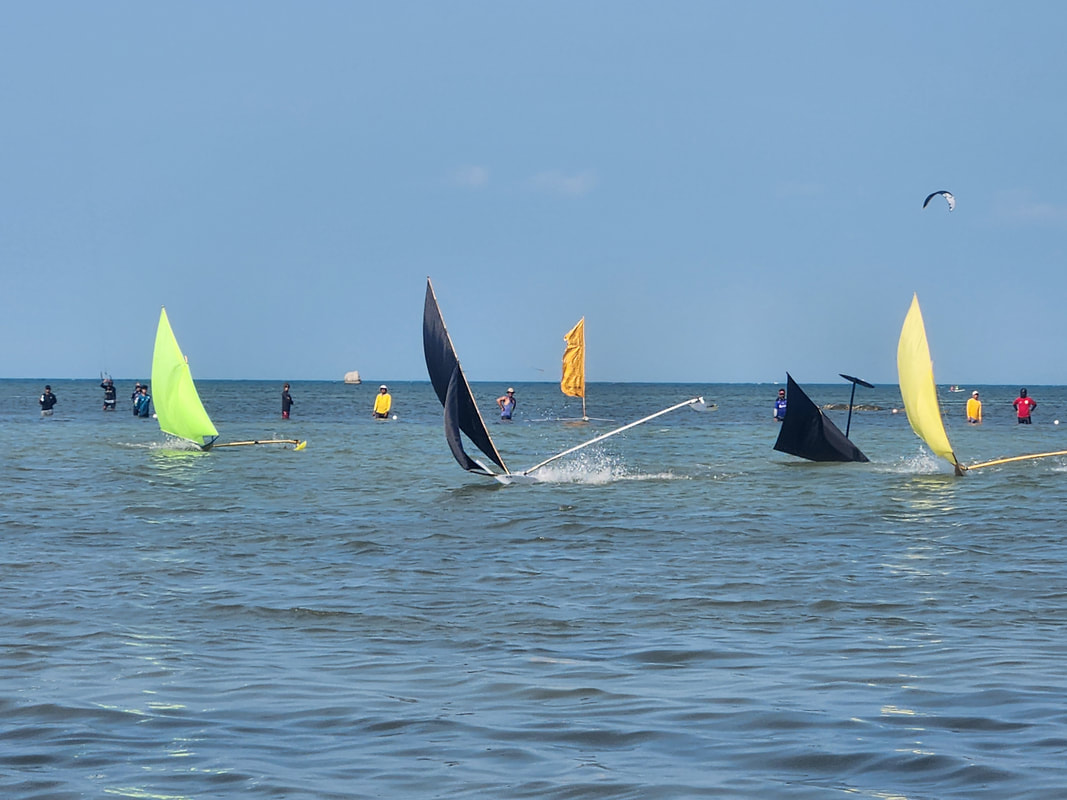
For those who don't yet know what a jong is: it's a small wooden sailboat, hand-carved, rarely longer than an arm, raced across open water powered by nothing but wind and the skill of the person who shaped it. No engine, no remote control — just wood, cloth, and a deep, intuitive read of how the air moves across the water. Jong racing belongs to a wider Malay maritime world, carried among others by the Orang Suku Laut, the sea nomads of this archipelago — a shared inheritance across these islands' fishing and seafaring communities.
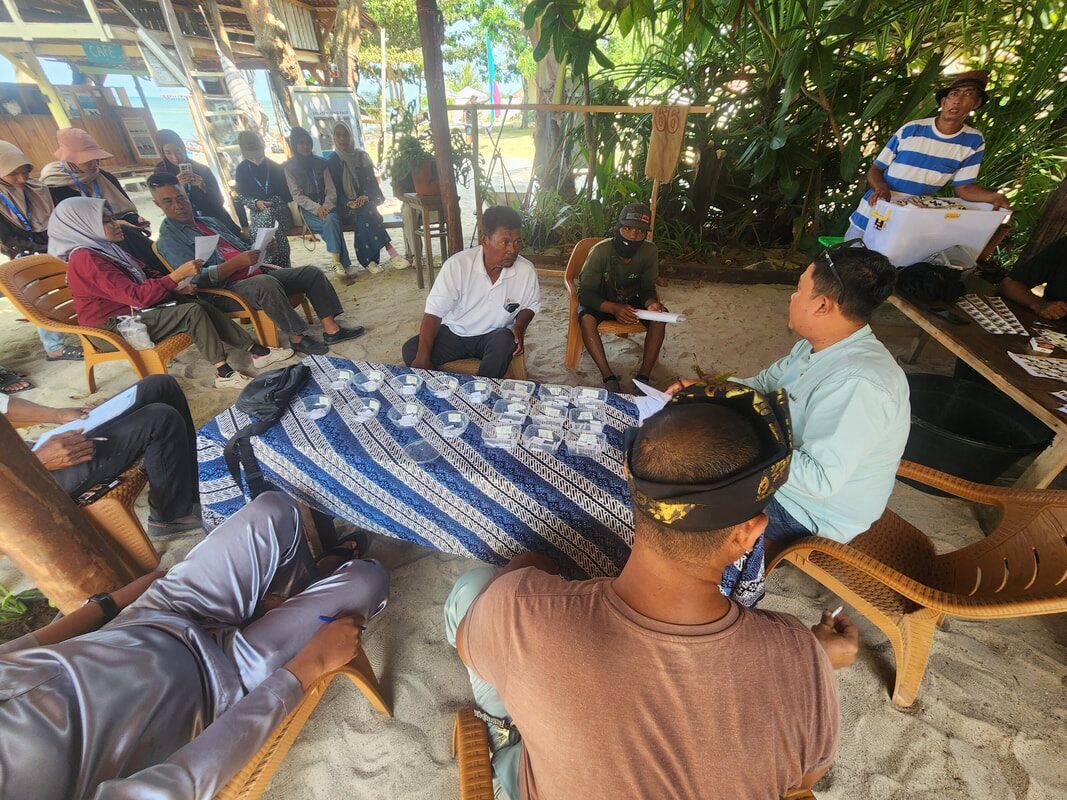
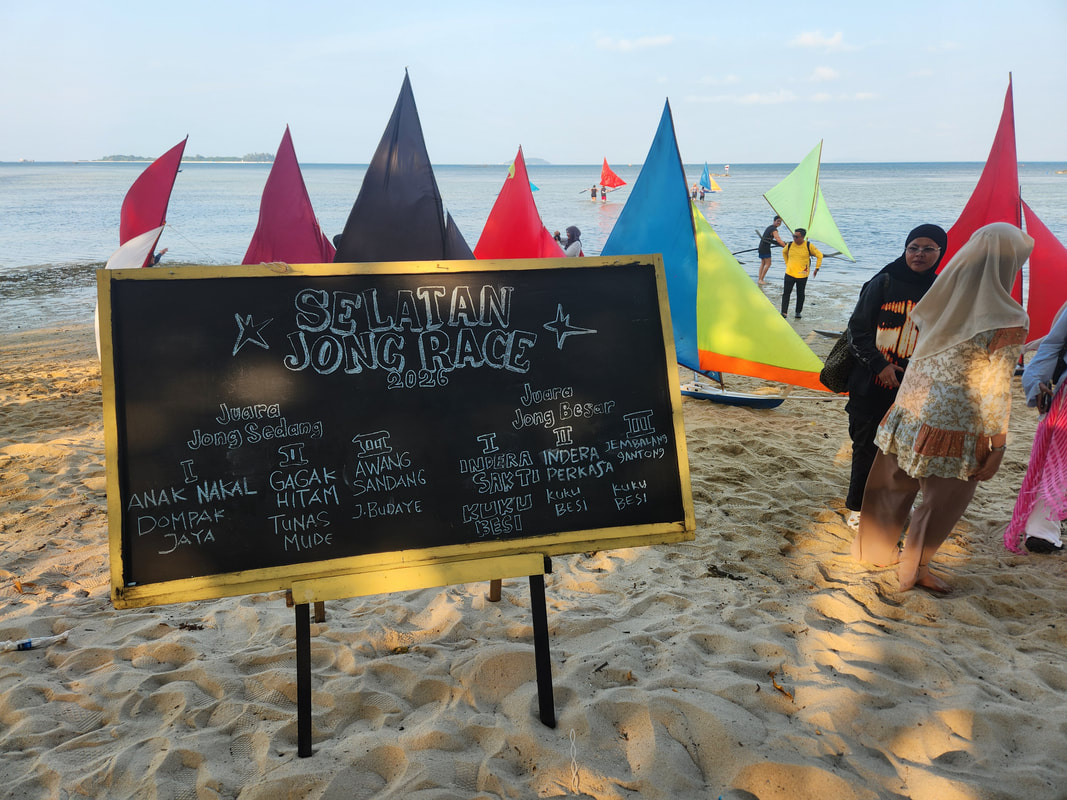
The evening before the race, the beach at Teluk Bakau was already alive. Local kids were there, learning and eating, running between the tables and the boats, while the different groups — kelompok — quietly organized the next morning's heats. Twenty-three groups arrived this year, from all across the island and as far as Batam and Pulau Penyengat. Penyengat would go on to sweep all three prizes in the big jong category.
This year brought exceptional winds, an exceptional crowd, and an exceptional spirit. The dancing moved from old local dangkung to avant-garde performance from Taktido — a collective we've worked with since a first, short-notice show that came together on almost no sleep at all (their name comes from tidak tidur, "no sleep," which is exactly how it felt, and exactly why it worked). From there the evening moved into Malay music, including a piece choreographed and danced by kids on the theme of the jong itself, and finally a DJ set that got the younger crowd moving.
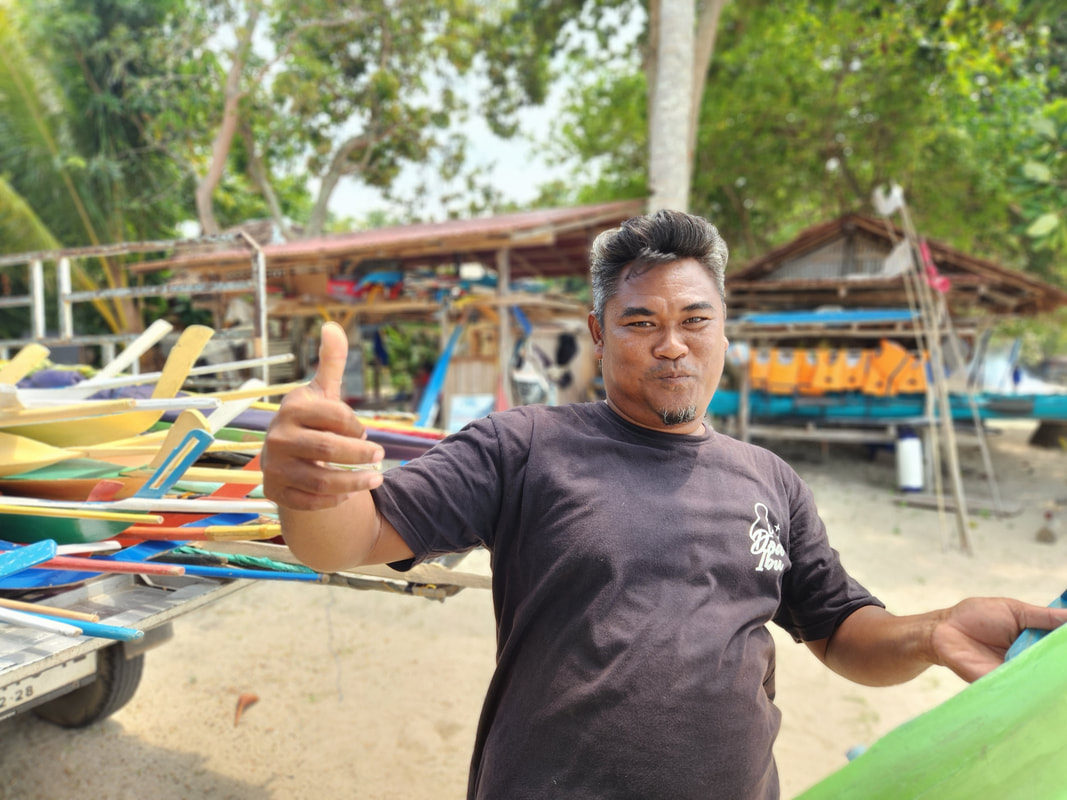
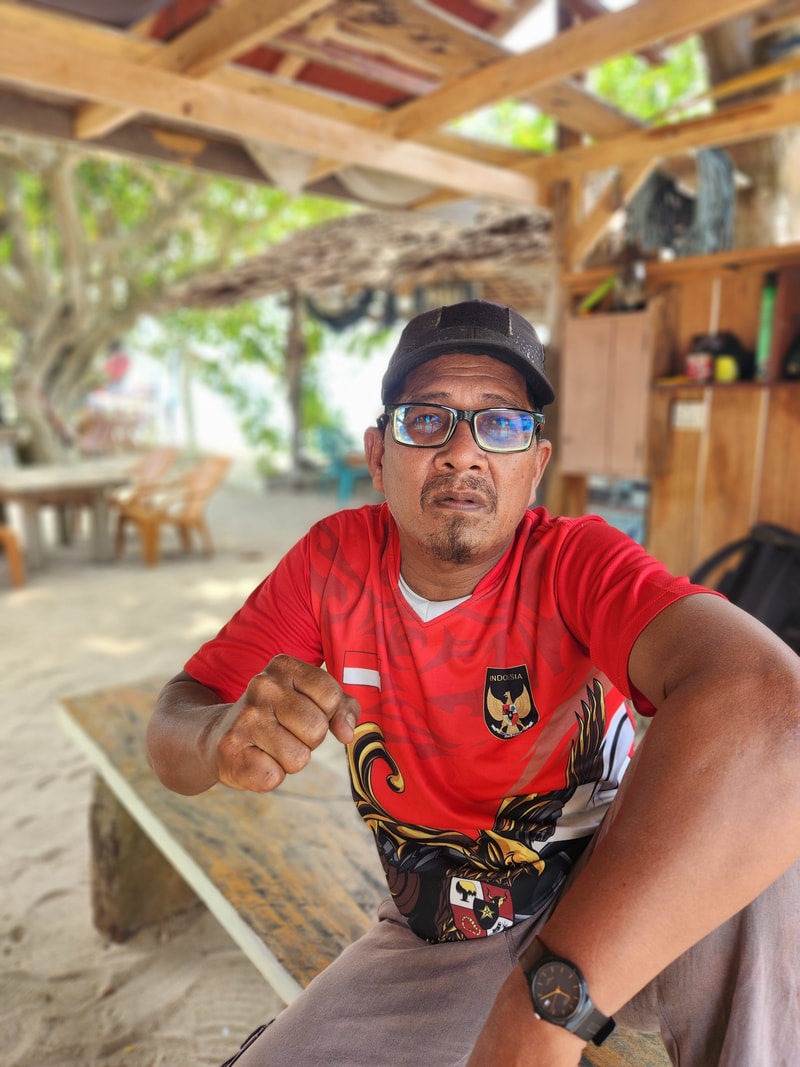
It takes many hands to make a day like this happen. A place has to be made available, welcoming. Trees to carve the jong. Masters to build them. Others to sail them. Sails are sewn, wood is bent, knots and mast tension and proportions are all judged by feel — and somehow, no two jongs are ever the same.
It takes a group to coordinate transport and logistics — and it takes wives and grandparents preparing food, so much time and care that it remains genuinely humbling, every year.
This tradition is quietly becoming something people travel for — clubs from Singapore and Batam, anthropologists, visiting schools — and watching it travel outward, sometimes out of our hands entirely, takes some getting used to. But the growing interest, wherever it lands, is the real success. The tradition surviving and spreading matters more than who gets credit for it.
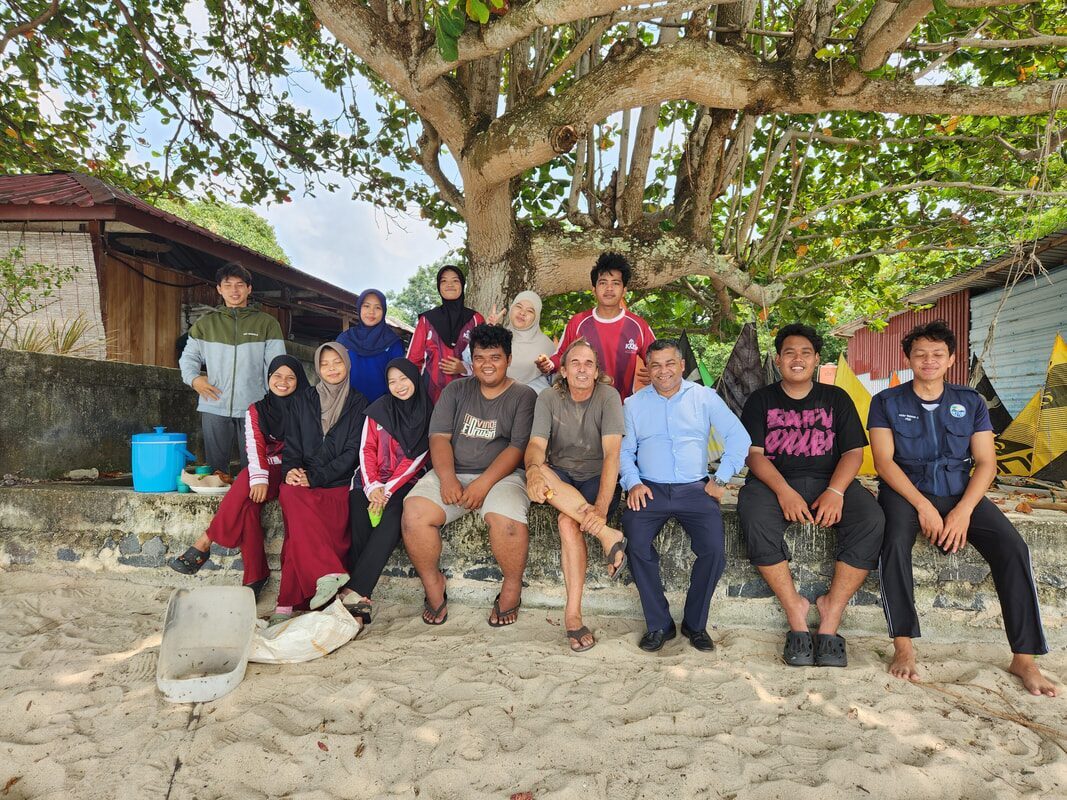
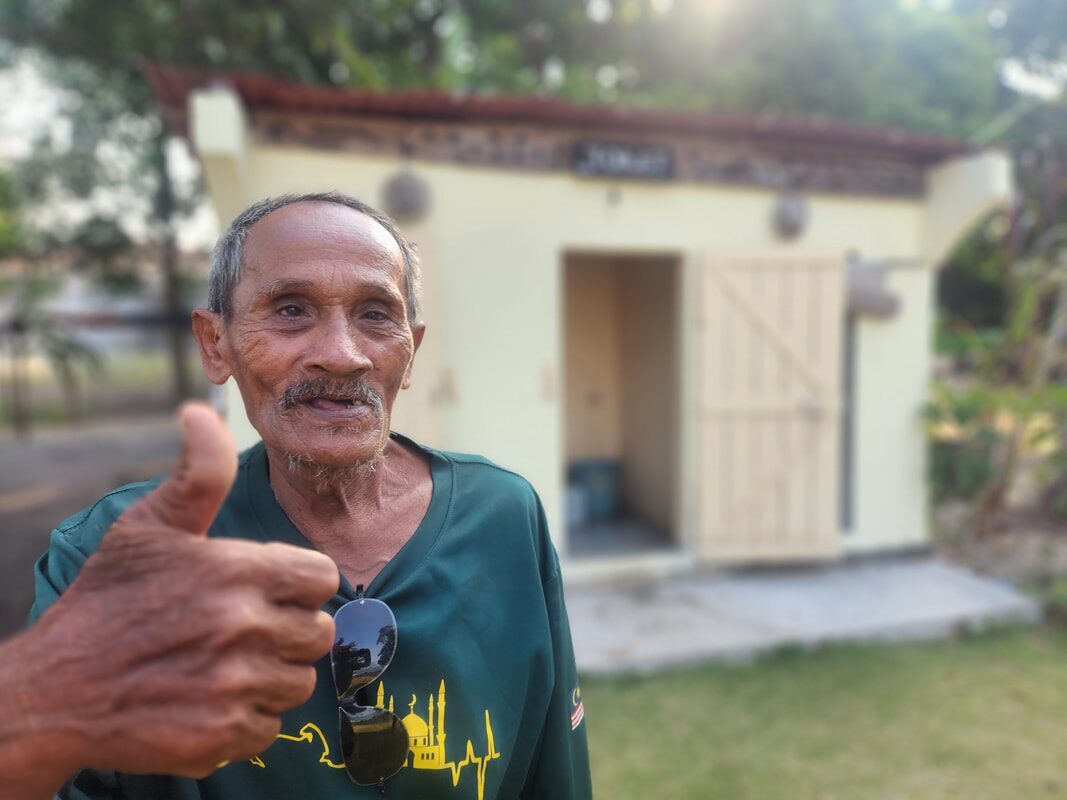
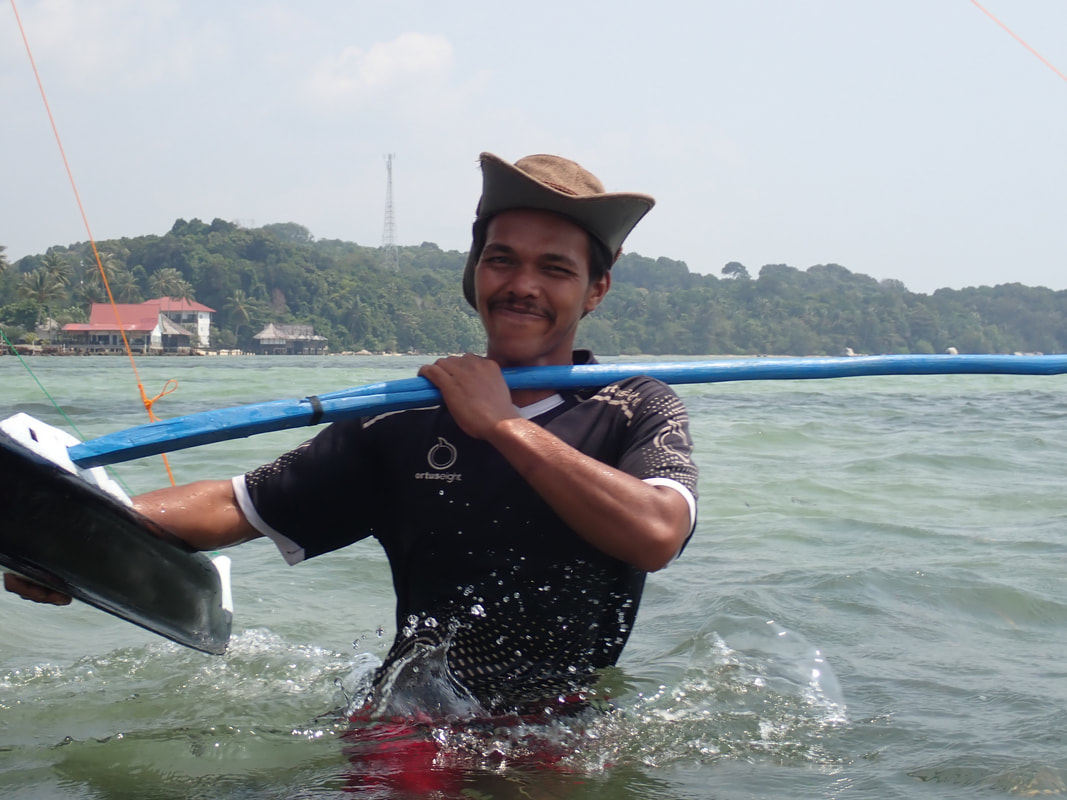
Thank you to everyone who sailed, danced, cooked, judged, and showed up — this only exists because so many people choose, quietly, to make it happen.
Let's keep this going.
— Michel Lippitsch, The Jong School