|
|

|
|
On This Page
- Introduction: Glimpses into the World of Jongs
- The Significance of Sekapur Sirih
- Crafting the Jong: A Labor of Love
- The Evolution of Jong
- The Spirit of Competition and Community
- The Art of Sailing the Jong
- Jong Racing Events: A Celebration of Tradition
- The Importance of Passing on the Tradition
- The Enduring Allure of the Jong
- The Art of the Racing Jong: Why It Matters
- A Collection of Old Indonesian Ships
- The Malay Pirate Myth
The Art of Racing Jong: A Malay Celebration of Heritage and Craftsmanship
Introduction: Glimpses into the World of Jongs
The world of Jong racing is a captivating blend of artistry, tradition, and seamanship, deeply embedded in the Malay culture of the Riau Archipelago, Indonesia. Jongs are unmanned sailing vessels, meticulously handcrafted, and tuned to sail a specific course. These miniature boats, ranging from 1 to 2 meters in length, are more than just toys; they are a testament to the sailor's art and a reflection of the values and traditions of the community.
The Significance of Sekapur Sirih
A newly formed group (Kelompok) of Jong enthusiasts adopted the name Sekapur Sirih, drawing from ancient Melayu tradition. This name itself is loaded with symbolism. Sirih, the betel leaf, represents respect, generosity, and altruism, growing in a way that provides shelter and freshness without harming other trees, and is shaped like a heart. Kapur, the lime, symbolizes the purity of the heart. The traditions emphasize the respect and etiquette within the Malay world, where even the tone of voice is important.
Creating a racing Jong is an art form that demands patience, precision, and skill. These boats are often made with rudimentary tools, and the process can take a month or more, especially with the fine-tuning of the sail. The selection and preparation of wood are crucial, requiring a drying period of one to two months before it can be used for the hulls. Rushing the process is considered a recipe for making a bad Jong, as a single misstep can ruin days of careful work. Pulai wood, known for being soft and light, is favored for the hull.
The tradition of the Jong predates the arrival of Islam, deeply rooted in the animist world of spirits. Originally, Jongs were designed to send gifts of betel nut and other sacred food out to sea, evolving over time into the sailing art pieces they are today. The design of the Jong is based on geometry and symmetry, drawing inspiration from the human body. The Orang Suku Laut, the original nomadic tribe that controlled the sea around Riau, have a deep connection to the Jongs, historically serving as the navy of the Malay and cultural players in the courts of the Malay aristocracy.
Jong racing fosters a strong sense of community and camaraderie. Events like the race in Teluk Bakau showcase the spirit of "Gotong Royong," where people come together to help each other and the community. The races attract diverse crowds, from children to the elderly, creating a vibrant atmosphere of celebration. There is a sense of pride in the craftsmanship and the skill required to sail these unmanned vessels.
Sailing a Jong is considered a true art, requiring a deep understanding of balance, rigging, and the influence of wind and tide. Since the Jongs are unmanned, they must be precisely tuned to sail a particular course. As Zakir says, "You need to get married with your Jong," highlighting the intimate relationship between the sailor and the craft. The sailor's ability to "play the right tune with his strings" and the precision of attention are key to success. There's even a belief that "you need magic to truly sail a Jong" and that keeping your "heart clean" is essential.
Jong racing events are more than just competitions; they are a celebration of Malay culture and heritage. These events often include traditional dances, music, and food, showcasing the rich cultural tapestry of the region. The races provide a platform for both competition and cultural exchange, bringing together people from different villages and backgrounds.
The tradition of Jong racing is passed down through generations, with children actively participating and learning the art. Mini Jongs are made specifically for children, fostering pride and engagement in the tradition. This intergenerational involvement ensures that the legacy of Jong racing continues to thrive.
The Jong holds a special place in the hearts of those who build and sail them. They are seen as "true masterpieces," each carrying its own individuality. Beyond the competition, Jong racing offers a "school" for its participants, teaching valuable lessons about focus, patience, and the connection between humans and nature. The Jongs are more than just boats; they are a reflection of the human spirit and the enduring power of tradition.
The art of racing Jong is important for several reasons:
Introduction: Glimpses into the World of Jongs
The world of Jong racing is a captivating blend of artistry, tradition, and seamanship, deeply embedded in the Malay culture of the Riau Archipelago, Indonesia. Jongs are unmanned sailing vessels, meticulously handcrafted, and tuned to sail a specific course. These miniature boats, ranging from 1 to 2 meters in length, are more than just toys; they are a testament to the sailor's art and a reflection of the values and traditions of the community.
The Significance of Sekapur Sirih
A newly formed group (Kelompok) of Jong enthusiasts adopted the name Sekapur Sirih, drawing from ancient Melayu tradition. This name itself is loaded with symbolism. Sirih, the betel leaf, represents respect, generosity, and altruism, growing in a way that provides shelter and freshness without harming other trees, and is shaped like a heart. Kapur, the lime, symbolizes the purity of the heart. The traditions emphasize the respect and etiquette within the Malay world, where even the tone of voice is important.
- "The air is filled with kretek smoke, clove-scented whirls, only disturbed by the sound of softly spoken words and the cast of moonlight".
Creating a racing Jong is an art form that demands patience, precision, and skill. These boats are often made with rudimentary tools, and the process can take a month or more, especially with the fine-tuning of the sail. The selection and preparation of wood are crucial, requiring a drying period of one to two months before it can be used for the hulls. Rushing the process is considered a recipe for making a bad Jong, as a single misstep can ruin days of careful work. Pulai wood, known for being soft and light, is favored for the hull.
- "We are gathering around the pine tree table that we made a few months ago when we cut that tree that didn't belong there... Not without pain, as it is a really hard wood, chewing the edge of the teeth of the chain saw like no other, and took over two weeks to cut in decent planks".
- "The man who compiled the wood makes your heart sing. Deformed jaws with the most singular teeth pattern ever, almost no ears but a heart of gold. He will never be in the front scenes, but his crooked smile and joy of life is a blessing in 'true disguise'".
The tradition of the Jong predates the arrival of Islam, deeply rooted in the animist world of spirits. Originally, Jongs were designed to send gifts of betel nut and other sacred food out to sea, evolving over time into the sailing art pieces they are today. The design of the Jong is based on geometry and symmetry, drawing inspiration from the human body. The Orang Suku Laut, the original nomadic tribe that controlled the sea around Riau, have a deep connection to the Jongs, historically serving as the navy of the Malay and cultural players in the courts of the Malay aristocracy.
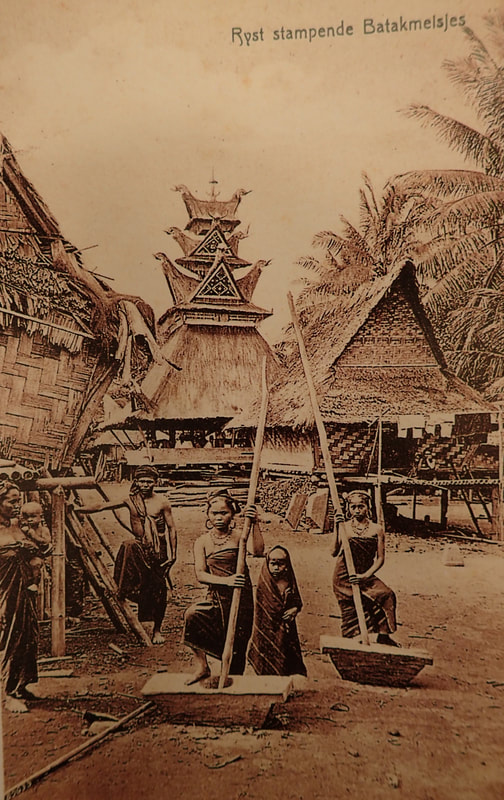
- "The built-up dug-out or planked canoe with an outrigger and sail has been the principal technology for survival and colonization for the sea-going peoples who spread over Island Southeast Asia and far over the Pacific for at least the past few thousand years".
Jong racing fosters a strong sense of community and camaraderie. Events like the race in Teluk Bakau showcase the spirit of "Gotong Royong," where people come together to help each other and the community. The races attract diverse crowds, from children to the elderly, creating a vibrant atmosphere of celebration. There is a sense of pride in the craftsmanship and the skill required to sail these unmanned vessels.
- "I was the exotic element, playing the game and posed in group photographs with the student in exchange really of the hundreds of photographs that I am taking to continue the documentation of the world of jongs. Deep wrinkled faces of old Ibu Ibu (grandmothers) coming to support their sons and grand children, with some hot teas but most importantly their love, kids jumping in the waves to the details of prows carved as chickens, snakes, dragons, proud makers calling to show me their latest Jongs, posing proud".
Sailing a Jong is considered a true art, requiring a deep understanding of balance, rigging, and the influence of wind and tide. Since the Jongs are unmanned, they must be precisely tuned to sail a particular course. As Zakir says, "You need to get married with your Jong," highlighting the intimate relationship between the sailor and the craft. The sailor's ability to "play the right tune with his strings" and the precision of attention are key to success. There's even a belief that "you need magic to truly sail a Jong" and that keeping your "heart clean" is essential.
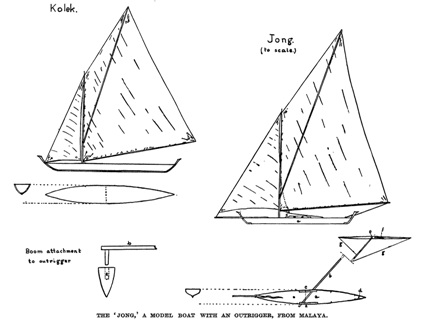
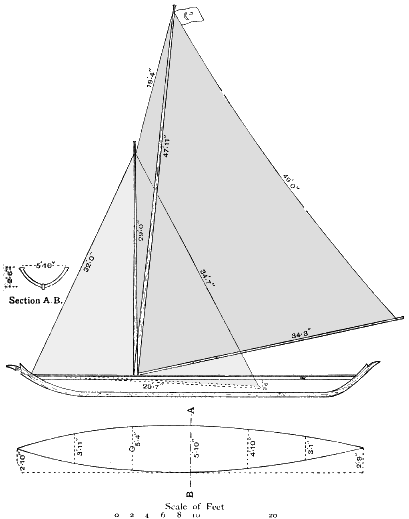
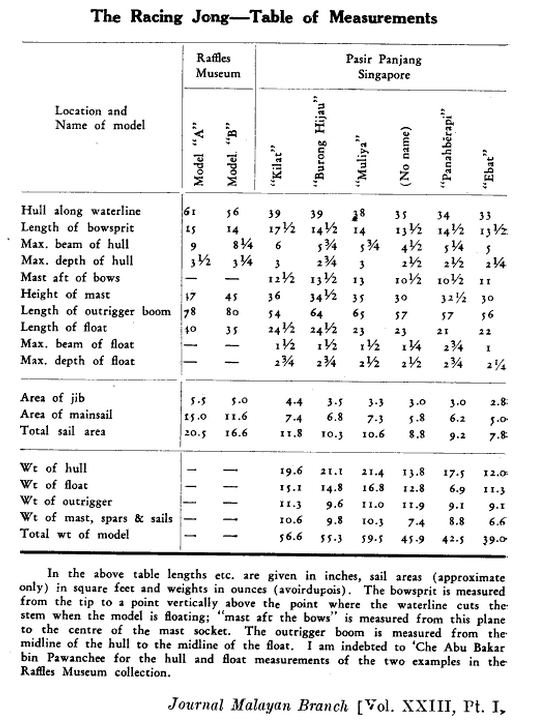
- "The outrigger is made to trail at an angle of about 60°-65° to the line of the hull. It is generally cut from Nibong, Oncosperma tigillaris. The float is fastened to the under surface of its distal end by a wooden peg which fits into a socket on the upper surface of the float. By this means the owner can rotate the float in a horizontal plane, and thus vary the angle between its long axis and the long axis of the hull".
Jong racing events are more than just competitions; they are a celebration of Malay culture and heritage. These events often include traditional dances, music, and food, showcasing the rich cultural tapestry of the region. The races provide a platform for both competition and cultural exchange, bringing together people from different villages and backgrounds.
- "While the big mega machine of Olympic and world championship sponsored sport were competing nearby, we tuned our 'little' but nonetheless powerful racing machine...We raced with our hearts and spirit...So our two local kelompok got together, we set up a scene, offered some health welcome drink made out of ginger, homegrown lemongrass, homegrown rosella and a few other Indonesian spice, our own magic mystery brew, to show hospitality and heart, the heart of the art of the racing jong".
The tradition of Jong racing is passed down through generations, with children actively participating and learning the art. Mini Jongs are made specifically for children, fostering pride and engagement in the tradition. This intergenerational involvement ensures that the legacy of Jong racing continues to thrive.
- "During the past week, whenever the tide was right and some wind was blowing, the beach was full of sails. This time with new arrivals. Mini Jongs, especially made for the children who are now participating in the testing by having their own to play with and keeping them busy while the 'grown ups' tune their sails and lines. The kids come proud, carrying their Jongs, and although they not really playing with the sails yet, they even started to do a small race between them. I am seeing a lot of pride. New paint, designs engraved into some of the Jongs".
The Jong holds a special place in the hearts of those who build and sail them. They are seen as "true masterpieces," each carrying its own individuality. Beyond the competition, Jong racing offers a "school" for its participants, teaching valuable lessons about focus, patience, and the connection between humans and nature. The Jongs are more than just boats; they are a reflection of the human spirit and the enduring power of tradition.
- "Why after having spent half your life around the globe, being privileged to witness some of the grandest show left on our planet... do you get so enthusiastic about some little fragile miniature sailing boats, the Jongs? Because they are true masterpieces. Each single Jong carries its own individuality".
The art of racing Jong is important for several reasons:
- Preservation of Cultural Heritage: Jong racing is a living tradition that preserves and celebrates Malay maritime heritage, including boat building techniques, sailing knowledge, and cultural values.
- Community Building: Jong racing events bring people together, fostering a sense of community, cooperation, and shared identity.
- Artistic Expression: The creation and decoration of Jongs is a form of artistic expression, showcasing the craftsmanship and creativity of the builders.
- Connection to Nature: Jong racing connects people to the natural world, requiring an understanding of wind, tide, and the sea.
- Intergenerational Learning: The tradition is passed down through generations, ensuring that this knowledge continues.
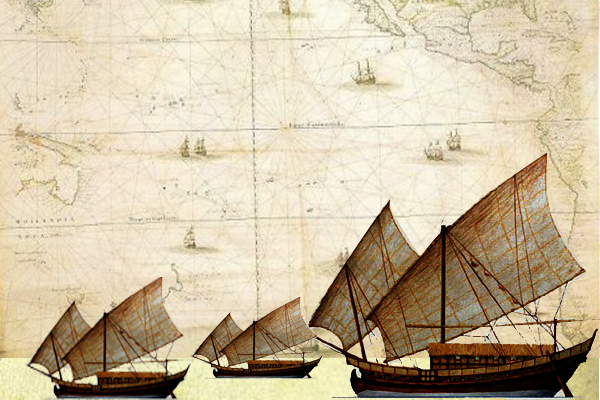
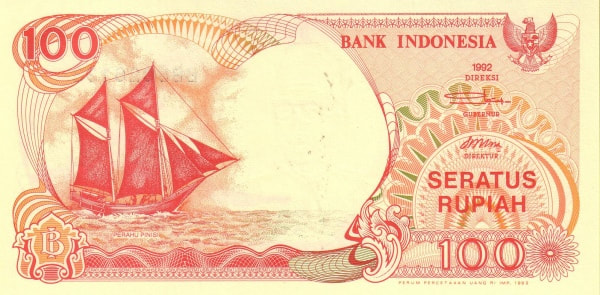
A collection of old indonesian ships




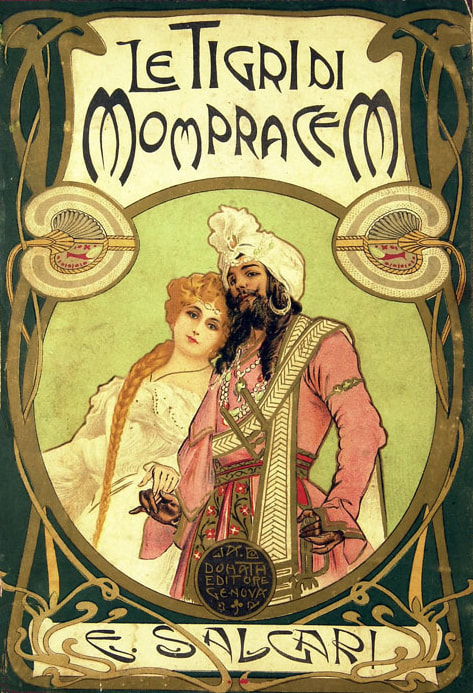
The "Malay pirate myth"
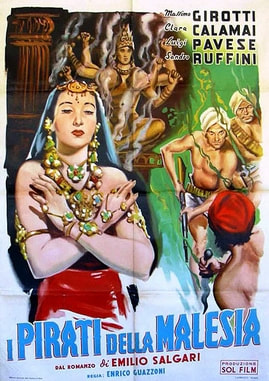
refers to the 19th-century European colonial idea painting Malays as inherently ferocious, natural pirates, used to justify conquest, but it masked complex local realities where "piracy" (rompak) was a traditional, culturally embedded practice, sometimes state-sanctioned, often differing from European notions of piracy, involving local trade protection (tolls) and riverine warfare, rather than just random plunder. This myth, fueled by exotic literature and colonial needs, distorted the activities of groups like the Bugis and Dayaks, blurring lines between trade, warfare, and piracy
refers to the 19th-century European colonial idea painting Malays as inherently ferocious, natural pirates, used to justify conquest, but it masked complex local realities where "piracy" (rompak) was a traditional, culturally embedded practice, sometimes state-sanctioned, often differing from European notions of piracy, involving local trade protection (tolls) and riverine warfare, rather than just random plunder. This myth, fueled by exotic literature and colonial needs, distorted the activities of groups like the Bugis and Dayaks, blurring lines between trade, warfare, and piracy
|
|